
A roofing warranty sounds simple until something actually goes wrong.
Most homeowners hear “warranty” and think the roof is fully covered if there is a leak, a shingle problem, or a repair needed later. Fair enough. That is how the word sounds. But on real roofing projects, the coverage is usually more specific than that. A roof warranty may cover certain materials, certain workmanship issues, certain time periods, and certain approved repair situations. It may also exclude storm damage, poor maintenance, roof modifications, ventilation problems, or work done by someone else after the roof was installed.
At Marks Roofing Ltd, this is one of the first things we want homeowners to understand: a roofing warranty is not one single promise. It is usually a mix of manufacturer coverage, contractor workmanship coverage, written terms, maintenance expectations, and documentation.
That does not make warranties useless or tricky by default. It just means they need to be read before the roof is installed, not only after a problem shows up.
Quick Answer: What Does a Roofing Warranty Usually Cover?
A roofing warranty typically covers defined concerns with roofing materials, installation workmanship, or both. The exact coverage depends on the manufacturer, the product line, the contractor, the roof system, and the written warranty terms.
Most homeowners are really asking three things:
- Does the warranty cover the roofing materials?
- Does it cover the labour to fix the problem?
- Does it cover leaks, or only specific defects?
Those answers are not always the same.
A manufacturer warranty usually focuses on the roofing product. With asphalt shingles, for example, the warranty may deal with manufacturing defects, premature material failure, or other product-related issues. That does not automatically mean the manufacturer pays for every labour cost, tear-off cost, disposal cost, interior repair, or unrelated roof problem.
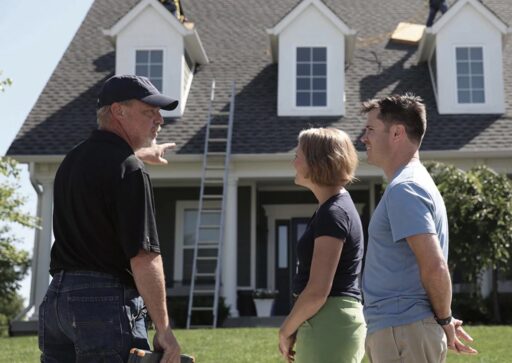
A workmanship warranty is different. It usually comes from the roofing contractor and applies to installation-related issues. If a leak is caused by flashing installed incorrectly, poor fastening, or another workmanship defect, that belongs in a different category than a defective shingle. This is where homeowners usually get caught off guard. A roof can leak for many reasons. Some are warranty-related. Others come from maintenance issues, storms, falling branches, added roof equipment, poor ventilation, or work done after the roof was installed.
A good warranty conversation should explain the boundaries in plain language. Homeowners should know what is covered, what is excluded, how long coverage lasts, who handles the claim, and what documents they need to keep.
Manufacturer Warranty vs Workmanship Warranty
The biggest warranty mix-up is treating the manufacturer warranty and workmanship warranty as the same thing. They are not. A manufacturer warranty is tied to the roofing materials. It may cover defects in shingles, metal panels, membrane, underlayment, or other roof products, but only under the conditions written in the warranty.
A workmanship warranty comes from the roofing contractor. It is tied to how the roof was installed, including flashing, fasteners, underlayment, edges, penetrations, valleys, vents, and other details. That distinction matters because the cause of the problem determines who should review it. A material defect may involve the manufacturer. An installation issue may involve the contractor. Storm or tree damage is usually a different category.
Here is the plain version:
| Warranty Type | What It Usually Covers | What Homeowners Often Misunderstand |
|---|---|---|
| Manufacturer warranty | Roofing material defects, based on written terms | It may not cover labour, tear-off, disposal, leaks, or outside damage |
| Workmanship warranty | Installation errors by the roofing contractor | It usually does not cover product defects, storm damage, or later work by others |
| Extended or system warranty | Broader coverage for an approved roof system | It may require certified installation, registration, and compatible products |
| Limited lifetime warranty | Coverage based on the written meaning of “lifetime” | “Lifetime” does not always mean full coverage forever |
| Transferable warranty | Coverage that may move to a new homeowner | Transfer may require paperwork, deadlines, fees, or approval |
The safest way to review a warranty is to separate material coverage from labour coverage. Then separate both from damage caused by weather, maintenance problems, or later changes to the roof.
For homeowners comparing roof replacement quotes, warranty length alone is not enough. A shorter, clearer workmanship warranty can sometimes be easier to understand than a long warranty with vague wording. The details matter.
How Long Does a Roof Warranty Last?
Roof warranty length depends on the type of warranty. A manufacturer warranty may be written for many years. Some asphalt shingle warranties use “limited lifetime” language, while other roof systems may have fixed terms, extended options, or product-specific limits. A workmanship warranty is usually shorter because it comes from the contractor and covers installation work.
The headline number is only the start. Homeowners need to look at how coverage changes over time. A warranty may have a non-prorated period at the beginning, when approved material defects may receive stronger coverage. Later, the warranty may become prorated, meaning the value of coverage decreases as the roof ages.
That difference can change the real value of the warranty. A “lifetime” shingle warranty may sound like the roof is fully covered for as long as the homeowner owns the house, but the written terms may tell a more limited story. Coverage may apply only to specific defects. Labour may be limited, transfer rules may change coverage, registration may be required, and some costs may not be included.
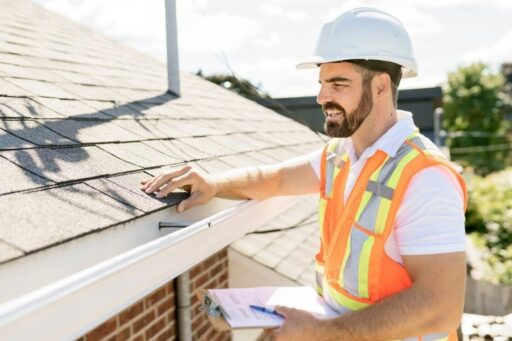
This is why homeowners should ask what the warranty means in the first 5 years, 10 years, 20 years, and after a home sale. A roof warranty can also depend on whether the installation followed manufacturer requirements. If the roof was installed with the wrong accessories, poor ventilation, incorrect fastening, or missing documentation, the warranty conversation can become harder later.
So the practical question is not only, “How long is the warranty?”
A better question is:
“What is covered during each part of the warranty period, and what costs are excluded?”
That wording gets closer to the real answer.
What Can Void a Roofing Warranty?
A warranty can be voided, limited, or disputed when the roof is not installed, used, maintained, modified, or documented according to the written terms. Not every issue voids a warranty, but some actions make coverage harder to prove or easier to deny.
Unauthorized roof work is one common example. If another person cuts into the roof, changes flashing, adds equipment, or seals something incorrectly, the original roofer and manufacturer may not be responsible for problems caused by that work. Solar panels, satellite dishes, skylights, vents, chimney work, gutter guards, and other roof-mounted equipment can all affect warranty terms.
The warranty should be checked before this work is done, and the installation should be handled by qualified people who understand roofing details. Natural Resources Canada’s solar-ready guidance also treats chimneys, roof vents, skylights, and other protrusions as roof-planning details around solar installation.
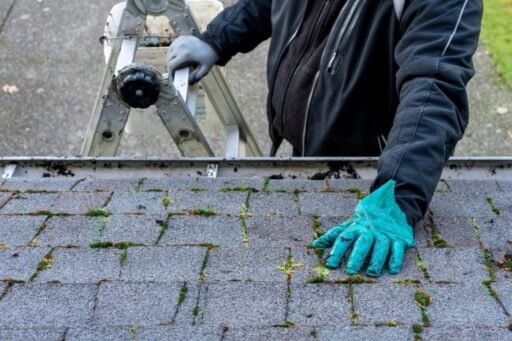
Maintenance matters too. Moss buildup, leaves, clogged drainage, standing water, ignored damage, pressure washing, or harsh cleaning products can create problems that may not be treated as warranty defects. Wind, hail, falling trees, animal damage, and storm impact are usually external causes, not workmanship defects or manufacturing defects.
For homes in coastal BC, rain, shade, tree debris, moss, and wind-driven weather make records and regular checks more useful if a warranty question comes up later.
Why Maintenance and Documentation Matter
A roof warranty is much easier to use when the homeowner can show what was installed, who installed it, how it was maintained, and when the problem first appeared. Documentation does not need to be complicated. It just needs to be organized.
Keep the roofing contract, warranty certificate, product details, invoices, photos, inspection reports, and repair records. If the manufacturer required registration, keep proof of that too.
Those documents help answer basic questions during a warranty claim:
- What product was installed?
- When was it installed?
- Who installed it?
- Was the roof inspected?
- Was maintenance performed?
- When did the problem first appear?
- Did anyone else work on the roof afterward?
Without records, the conversation becomes harder. The homeowner may still have a valid concern, but proving the cause takes more work. A regular roof inspection can catch small problems early and create a record that the roof was monitored. After a major storm, a documented check can help separate sudden damage from long-term wear.
Maintenance records are especially useful when the roof has debris exposure. Tree branches, leaves, moss, clogged gutters, and shaded areas can all affect how a roof ages. If the homeowner has kept the roof clear and documented inspections, it is easier to show the issue was not caused by neglect. For gutter-related upkeep, this guide on how to clean gutters from the ground may be useful.
Photos and communication should be saved too. Dated photos can show roof condition before and after work, after storms, or when a problem first appears. Emails with the roofer, repair advice, and approved follow-up work can become part of the claim history.
Good documentation does not guarantee coverage. Warranty terms still control the outcome, but clear records make the review cleaner and less dependent on memory.
Roof Warranty Transfers: What Happens When a Home Is Sold?
Some roof warranties can transfer to a new homeowner. Others cannot. A few transfers only once, while some require paperwork within a set time. There may also be a transfer fee, and coverage can change after transfer.
The only safe answer is to check the written warranty terms.
This matters during a home sale because a newer roof can be a valuable part of the property record. Buyers may ask whether the roof has remaining warranty coverage. Sellers may want to show proof of installation, product details, warranty certificates, inspection records, and maintenance history.
A transferable warranty can help, but only if the transfer process is followed correctly.
Homeowners should confirm:
- whether the manufacturer warranty can transfer
- whether the workmanship warranty can transfer
- whether there is a deadline after closing
- whether a fee or registration form is required
- whether coverage changes for the new owner
- whether the contractor needs to be notified
Manufacturer warranty transfer rules and contractor warranty transfer rules may not be the same. A product warranty might transfer under one set of conditions, while a workmanship warranty from the contractor may have different limits.
This is why roof documents should be kept with other home records. If the roof was replaced five years ago and the homeowner cannot find the product information, contract, or warranty certificate, the buyer may have less confidence in what remains.
Most homeowners are not thinking about transfer rules when they buy a new roof. That is normal. But for anyone planning to sell, it is better to organize the paperwork before listing the home. A clean roof file can answer questions quickly.

Questions to Ask Before You Accept a Roofing Warranty
The best time to understand a roofing warranty is before signing the roofing contract. Written terms matter more than verbal promises. Ask what the manufacturer warranty covers, what the workmanship warranty covers, and whether materials, labour, tear-off, disposal, or related repairs are included.
Ask how long each warranty lasts. Is there a non-prorated period? When does prorated coverage begin? What does “limited lifetime” mean for this product? Also ask who handles problems later. If there is a leak, does the homeowner contact the contractor, the manufacturer, or both?
Ask what maintenance is required, how often the roof should be inspected, and what can affect coverage. This includes solar panels, gutter guards, skylights, satellite dishes, chimney work, roof penetrations, pressure washing, moss, debris, and poor ventilation. Ask what documents you will receive: warranty certificate, registration proof, product details, invoice records, and written terms.
If the home is sold, confirm whether the warranty transfers and whether there are deadlines, forms, fees, or coverage changes. For homeowners comparing contractors, how to choose a roofing contractor becomes practical here. The better contractor is the one who can explain what the warranty actually means after installation.
Quick Recap: Roofing Warranties Made Simple
A roofing warranty is useful, but it does not cover every future roof problem. Most roof warranties have two parts. The manufacturer warranty usually covers roofing materials. The workmanship warranty often covers installation quality.
Material coverage and labour coverage are not always the same. Warranty length also needs careful reading, especially with limited lifetime, prorated, and non-prorated coverage. A leak is not automatically a warranty claim. Workmanship defects, material defects, storm damage, roof modifications, poor ventilation, and lack of maintenance are different categories.
Unauthorized repairs, roof penetrations, solar panels, gutter guards, pressure washing, moss buildup, standing water, blocked ventilation, and missed maintenance can void or limit coverage. Keep the contract, warranty certificate, product details, registration proof, invoices, inspection reports, maintenance records, repair records, and photos.
The best warranty conversation happens before the roof is installed.