
Most roof leaks don’t start with a single hole or sudden failure. They develop as small weaknesses in the roof system, allowing water to move in unexpected paths and appear far from where it actually entered. By the time a ceiling stain becomes visible, the leak has usually been active for some time. Understanding how leaks form, how to spot early warning signs, how to trace the real entry point, and how repairs actually work helps prevent hidden damage, repeat fixes, and costs that quietly escalate over time.
How Roof Leaks Actually Happen
One of the biggest misconceptions about roof leaks is that water enters directly above the visible damage. In reality, that’s rarely the case. Roof systems are layered, and once water gets past the surface, it can travel a surprising distance before it shows itself inside the home.
Wind-driven rain pushes water sideways, not just down. Capillary action draws moisture into seams, nail holes, and overlaps that look sealed from the outside. Once under the roofing material, water follows the path of least resistance, moving along underlayment, framing, or fasteners before reaching insulation or drywall.
This is why interior stains are often misleading. The mark you see inside is usually just the exit point, not the failure itself. Without understanding how water moves through a roof system, repairs tend to focus on symptoms instead of causes.
Early Signs of a Roof Leak You Should Never Ignore
Inside the Home
Most leaks first show themselves indoors. Ceiling stains, wall discolouration, peeling paint, or bubbling drywall are common indicators. Sometimes the signs are subtler – a musty smell after rain, faint water marks that come and go, or quiet dripping sounds during storms.
What catches many homeowners off guard is how often these signs are dismissed as cosmetic issues. A small stain gets painted over. A soft spot gets ignored. This is how ignoring a small roof leak quietly turns a manageable problem into a much larger one.
Attic & Structural Clues
If there’s one place that tells the truth about a roof leak, it’s the attic. Wet or compacted insulation, dark staining on wood, mould growth, or visible daylight through the roof deck are all serious warning signs.
Attic evidence matters more than ceiling stains because it shows how water is moving before it spreads. Insulation regularly absorbs moisture first, masking the leak until it becomes persistent. By the time water reaches finished surfaces below, the attic has usually been dealing with it for a while.
Exterior Red Flags
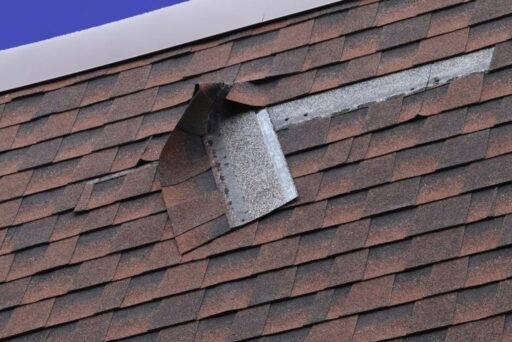
Outside, the signs are often less obvious. Lifted or cracked shingles matter, but many leaks start at transitions rather than open damage. Deteriorated flashing around chimneys or vents, debris-filled valleys, and gutters that overflow instead of draining properly all increase the risk of water being forced where it doesn’t belong.
Weather exposure plays a major role here. Wind, rain direction, and storm duration all change how water interacts with the roof surface.
Why Roofs Leak More During Heavy Rain
Heavy rain exposes weaknesses that lighter weather doesn’t. Wind-driven rain pushes water sideways and upward, defeating gravity-based drainage. Areas that normally shed water suddenly start collecting it. Prolonged rainfall keeps roofing materials saturated, giving water more time to work through aging seals and small gaps. Drainage systems can also become overwhelmed, especially when valleys or gutters are partially blocked.
Over time, freeze–thaw cycles add stress. Materials expand and contract, fasteners loosen, and sealants lose flexibility. Together, these conditions explain why roofs leak during heavy rain even when no obvious damage is visible during dry weather.
The Most Common Roof Leak Sources
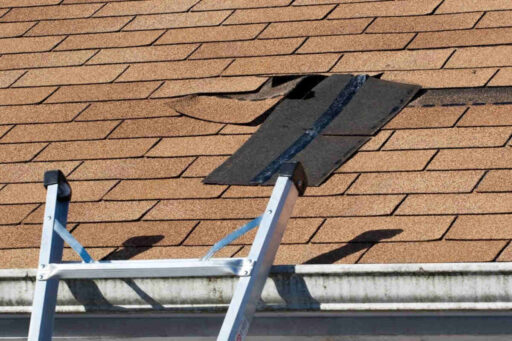
Most roof leaks start in predictable places. Damaged or missing shingles expose the layers beneath, allowing wind-driven water to work its way in. But surface damage is only part of the picture.
Flashing failures are among the most common causes. Chimneys, vents, skylights, and roof-to-wall transitions rely on properly installed metal flashing to stay watertight. When flashing corrodes, separates, or was installed incorrectly, water follows those gaps directly into the roof system.
Valleys carry concentrated water flow and become high-risk zones when debris builds up or alignment is off. Clogged gutters create similar problems at the roof edge, backing water up under shingles instead of directing it away. Pipe boots and ridge vents are also frequent failure points. The materials around penetrations often degrade faster than the roofing itself, creating entry points that are easy to miss during casual inspections.
How to Find the Exact Source of a Leak
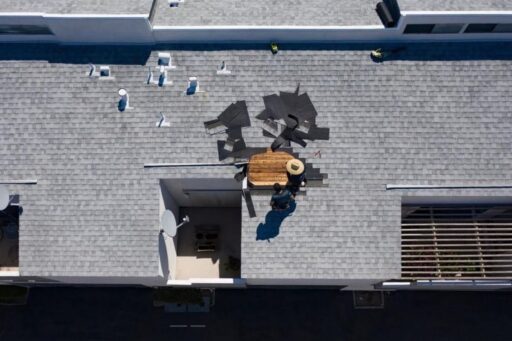
Finding a leak is a process, not a single step. It usually starts with a careful visual inspection of the roof surface, looking for displaced materials, damaged flashing, or obvious wear. This helps narrow the search area but rarely gives a final answer.
From there, attic tracing becomes critical. Water stains on framing, damp insulation, or mould patterns often point uphill toward the entry point. Following those clues requires understanding how water travels along structural members.
In some cases, a controlled water test helps confirm suspicions. By wetting specific roof sections while someone monitors the attic, it’s sometimes possible to isolate the source. Used incorrectly, however, this method can create confusion or introduce new moisture, so patience and sequence matter.
What to Do When Your Roof Is Actively Leaking
When water is coming in during a storm, the priority is control, not repair. Inside the home, that means containing water to limit damage to floors, furniture, and finishes. Buckets, plastic sheeting, and temporary diversion can make a real difference.
Outside, temporary measures like tarps may help reduce incoming water, but they are not fixes. Poorly secured tarps often fail in wind, and sealants applied during active rain rarely bond properly. Climbing onto a wet roof during a storm is also a major safety risk and causes more damage than it prevents.
The goal during an active leak is to minimize damage until proper repairs can be made safely.
How Roof Leaks Are Fixed (Repair Options Explained)
Once the source is confirmed, repairs focus on restoring the system, not just closing a gap. Localized shingle repairs work when damage is limited and surrounding materials are sound. This typically involves replacing affected shingles and checking underlying layers.
Flashing repairs are more involved. Proper fixes often require removing surrounding materials to reset or replace flashing correctly, rather than sealing over a failure. The same applies to vent and pipe boot replacements, which are designed to be swapped out when they fail.
In some cases, repeated leaks or widespread material fatigue indicate that localized repairs are no longer enough. At that point, stopping water temporarily may not address the underlying problem.
DIY vs Professional Roof Leak Repair
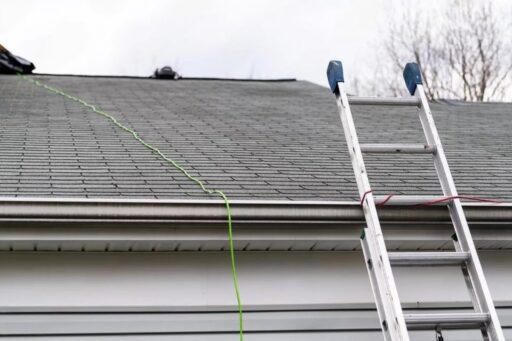
Homeowners can safely handle some tasks, such as monitoring interior damage, clearing gutters, and arranging temporary containment. Beyond that, DIY efforts often hit limits quickly. Roof systems are complex. Temporary fixes applied without understanding water movement frequently redirect leaks instead of stopping them. Sealants get overused, materials get damaged, and small mistakes create secondary problems.
Professional repairs focus on diagnosing the entire system, not just the visible symptom. That perspective is what prevents repeat failures.
The Real Cost of Ignoring Small Roof Leaks
Small leaks rarely stay small. Water saturates insulation first, spreading moisture and reducing its effectiveness. Over time, roof decking softens, framing absorbs moisture, and mould develops in hidden spaces.
These changes shorten the lifespan of the roof system and make future repairs more invasive. Insurance claims may be denied when leaks are deemed the result of neglect, and warranties can be voided when known issues aren’t addressed.
These consequences don’t appear overnight, but they’re common enough to be predictable.
How to Prevent Roof Leaks Long-Term
Prevention is about consistency. Regular inspections catch small failures early. Clearing gutters and managing drainage keeps water moving where it should. Flashing and sealants need attention as they age, often before the roofing material itself fails. Managing moss growth and trimming back overhanging branches also reduces moisture retention and physical damage. No roof is maintenance-free, but steady care significantly reduces the risk of unexpected leaks.
Prevent Small Issues From Becoming Structural
Roof leaks develop through a series of small failures that interact over time. Understanding how water moves, how leaks are misdiagnosed, and when to act makes a real difference. Some situations call for immediate professional help. Others can be managed through careful monitoring and maintenance. The key is recognizing which is which early. Addressing problems when they’re small keeps repairs straightforward and prevents hidden damage from setting the agenda later.