
Your roof valley faces extreme pressure during Vancouver spring. The city gets around 1,189 mm of annual rainfall and 170 days with measurable precipitation. Roof valleys handle more water, debris and stress than any other roof detail. These meeting points channel runoff from two roof planes and make them prime candidates for failure.
Spring conditions intensify the risk. Homeowners find roof valley leaks in heavy rain, failed roof valley flashing and debris accumulation as temperatures rise. You can prevent pricey roof valley leaking if you understand why roof valleys are vulnerable and how spring weather strains these critical areas. This piece covers the mechanics of valley failure and seasonal threats specific to Vancouver. It also explains when roof valley repair becomes work to be done.
What Makes Roof Valleys Structurally Vulnerable
Water Points Where Slopes Join
Valleys concentrate extreme water volumes in a narrow channel. Two roof planes dump their entire runoff into a single trough, and the hydraulic load becomes intense. Heavy rainfall can push water volume in the valley to ten times greater than the volume on main roof panels. Engineers call this a “firehose effect.” Areas where water pools or concentrates are far more likely to experience leakage and deterioration, so roof slopes and drainage must be designed to move water off quickly.
The physics behind this vulnerability is straightforward. Water flows in a straight line toward the eaves on a standard gable roof. But valleys funnel everything from two large surface areas into one spot. So valleys handle two to three times more water than flat roof sections. This concentrated flow moves at higher velocities and increases the erosive force on materials.
About 30% of all leaks start in roof valleys. Water seeks any weakness. Funnel massive volumes through a confined space and small gaps become major problems. A tiny flaw that would never cause issues on a flat surface will pour water into your attic when you position it in the valley. The point where slopes meet experiences constant hydraulic pressure that other roof areas never face.

Valley Design and Construction
Valley construction methods affect longevity. Closed valleys weave shingles together or overlap them across the joint and create a friction-heavy surface. This texture traps leaves, pine needles and grit. Water flow slows and premature rot sets in. The overlapping shingles also hide installation flaws beneath the surface. These often go unnoticed until major damage occurs.
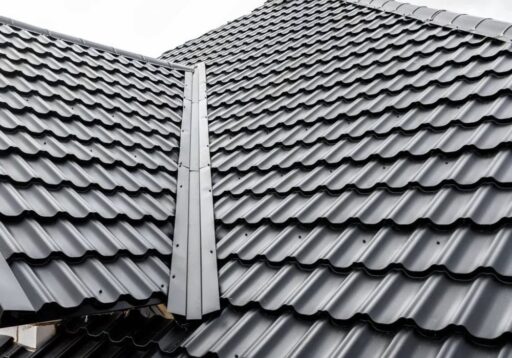
Open valleys use exposed metal flashing and create a smooth, slick path for water and debris. The “W” profile has a centre diverter rib that prevents high-velocity water from one slope from rushing across and forcing its way under panels on the opposite side. This mechanical diversion provides superior waterproof integrity.
Installation errors compromise valley performance. Misaligned shingles, nails placed wrong or insufficient underlayment can all fail quickly. Nails placed too close to the valley’s centreline create penetration points where water enters. Improper hemming on metal valley edges allows capillary action to pull water uphill and over the flashing sides.
Material Stress Points
Thermal movement stresses valley materials year-round. Metal expands in summer heat and contracts in winter cold. Valley liners pinned too tightly with fasteners will buckle and oil-can over time. Professional installations use expansion clips that allow microscopic sliding while they maintain security.
Valleys age faster than your main roof. Constant water flow wears down materials while debris scrapes against surfaces. Valley shingles might fail three to five years before the rest of your roof shows age. Asphalt shingles become brittle with prolonged sun exposure and crack or get damaged. These create vulnerable entry points for water.
Debris accumulation compounds the stress. Leaves blow across your roof and lodge where slopes meet. Twigs and granules wash down and create dams that block water flow. Drainage slows, water pools and seeps under shingles. Material breakdown accelerates.
Vancouver Spring Conditions That Strain Roof Valleys
Spring weather patterns create a perfect storm of conditions that test roof valley integrity. Vancouver’s climate combines persistent moisture, temperature swings, and wind-driven storms that exploit every weakness in valley construction.
Heavy Rainfall Accumulation
Vancouver receives over 160 rainy days annually. Spring storms dump 30 to 50 mm of rain in just hours. Roof valleys handle this concentrated flow, but extended rainfall events create lateral pressure on building surfaces for hours rather than brief bursts. Spring frontal rain events maintain wind-driven conditions throughout whole storm systems, unlike summer convective storms. Water backs up when valleys cannot process this volume quickly enough. It pools behind any obstruction and seeks entry points under shingles.
Freeze-Thaw Cycles in Early Spring
Temperature fluctuations around freezing point place unique stress on roof valley materials. Water seeps into small cracks during warmer days and then freezes overnight as temperatures drop. This expansion creates spaces between shingles and flashing where more water can pool and gradually worsen the damage. Vancouver experiences 30 to 50 freeze-thaw cycles during winter and early spring. Each cycle repeats the expansion-contraction process and loosens fasteners while creating gaps in valley seams. Ice dams form when melting snow refreezes in valleys. They block proper drainage and force water sideways under shingles.
Wind-Driven Rain Penetration
Spring frontal passages frequently combine heavy rainfall with strong winds in southern Ontario and coastal regions. Wind-driven rain strikes valley surfaces with direct lateral pressure rather than simply running down them. This forces water into gaps and joints that vertical rainfall never loads. Extended moderate-to-heavy rainfall events can maintain these conditions for hours and provide cumulative lateral water pressure that tests every seal and overlap. Standard valley construction assumes vertical water flow, but wind speeds common in spring storms exceed this assumption.
Debris Buildup from Winter
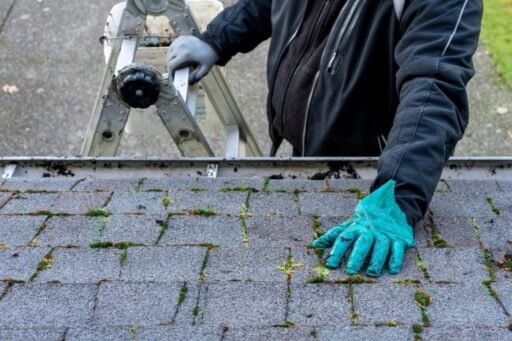
Leaves, twigs, pine needles, and roofing granules accumulate in valleys throughout winter. This debris concentrates in low points where water moves slowest and creates dams that block proper drainage. Trapped debris holds moisture against roof surfaces and accelerates material deterioration. Spring inspections should focus on clearing this winter accumulation before heavy rains begin.
Moss and Algae Growth After Wet Winter
Vancouver’s near-constant winter rain creates extended dampness perfect for moss and lichens. Shaded roof valleys remain wet for days between rainfalls and give moss time to establish its grip. Moss physically lifts and separates shingles while breaking adhesive seals and exposing materials underneath to moisture. The trapped moisture accelerates rust and corrosion of roofing nails and metal flashing, which weakens structural integrity.
Common Roof Valley Problems in Spring
Roof Valley Leaks in Heavy Rain
Leaks are the biggest problem in roof valleys. Damaged or improperly installed flashing, underlayment, or shingles cause them. Vancouver spring storms expose weak spots that remain hidden during light rain. Small flaws become major problems when valleys cannot handle the water volume from two roof planes converging at once.
Water stains on ceilings below valley zones indicate active leaks creeping inward. Dark streaks or stains on the valley path show water absorbing into underlayers. The intense pressure in these channels means even minor installation errors allow water intrusion to reach your attic and walls.
Failed or Deteriorated Roof Valley Flashing
Discoloured or rusted flashing signals metal oxidizing under constant water exposure. Flashing separation occurs when metal pieces pull away from shingles or underlayment and create gaps where water enters the roof structure. Poor installation and weather damage contribute to flashing failure.
Separation between flashing and shingles indicates loose or failed sealing. Flashing that’s pulling away or rusted cannot protect your home. Valley flashing may be corroded or improperly lapped after years of exposure.
Shingle Separation Along Valley Lines
Curling or missing shingles along valley edges show shingles have lost integrity. High water flow in these areas wears down materials faster than other roof sections. Granules in gutters near the valley indicate shingle wear progressing.
Shingles near valleys can shrink or lose granules over the years. This damage accelerates because valleys experience continuous hydraulic stress that flat roof areas never face.
Standing Water and Poor Drainage
Standing water remaining in valleys 24 hours after rain indicates serious drainage problems. Debris builds up from lack of maintenance and creates dams of leaves that stop water from flowing. This pooling forces water to back up the roof and find paths underneath shingles.
Conclusion
Roof valleys handle extreme hydraulic pressure that flat roof sections never experience. Vancouver’s spring weather intensifies these vulnerabilities through persistent rainfall and freeze-thaw cycles while debris piles up. Warning signs like leaks, failed flashing, or standing water help you address problems before they escalate into structural damage that gets pricey. A professional valley inspection this spring will identify weak points and protect your home from water intrusion throughout the wet season.