
Ever look up at your roof and wonder what that flat board is running right along the edge? That’s the fascia – the long, straight board that your gutters are screwed into. Think of it as the trim on your roofline. It gives the house a finished, clean look, but it’s also doing a pretty important job protecting your home.
Getting to Know the Fascia Board
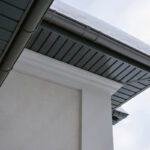
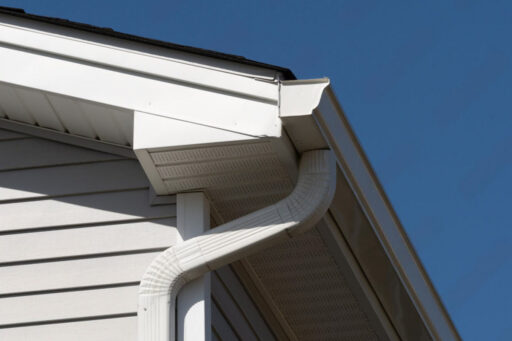
A close-up of a house’s roofline with black gutters, white fascia, and a downspout, against blue sky.
It’s easy to overlook, but the fascia is a hardworking part of your house. It covers the exposed ends of the roof rafters, creating a barrier between the edge of your roof and the outside world. This board is often the first thing that gets hit by rain, snow, and wind, and it’s also what stops pests from crawling into your attic.
While it definitely makes the house look better, its structural role is way more important.
More than just trim
The term “fascia” comes from architecture, referring to the vertical band just under a roof’s edge. These boards have been used on houses for centuries, starting as a purely functional piece before becoming part of the overall design.
At its core, the fascia board does three main things:
- Supports the Gutter System: It provides a solid, flat surface to mount your gutters, which is crucial for handling the weight of heavy rain.
- Protects Wooden Rafters: It shields the cut ends of your roof rafters, which are really vulnerable to moisture and rot.
- Keeps Pests Out: It seals the gap that would otherwise be an open invitation for insects, birds, and squirrels.
The Unsung Hero of Your Roofline
So, you can now point out the fascia on a house. But what does it actually do? It might look like simple trim, but its job is what stands between a clean roofline and some seriously expensive structural repairs. It’s working a lot harder than most homeowners realize.
First and foremost, the fascia is the backbone for your entire gutter system. Think about it – gutters filled with water from a big storm or packed with wet leaves get incredibly heavy. A strong fascia gives them a secure mounting point, preventing the gutters from sagging, warping, or pulling away from the house.
More than a gutter hanger
But its job doesn’t stop there. The fascia also acts as a critical shield for the ends of your roof rafters. Those exposed wood ends are magnets for moisture, which leads directly to rot and decay. Without a fascia board, water would soak into the rafter tails and slowly compromise the structure of your roof.
Here’s a quick look at the main jobs your fascia is doing.
Fascia board functions at a glance
This simple board is a multitasking protector for your roof’s edge.
| Function | Why It Matters |
|---|---|
| Gutter Support | Gives you a strong, stable surface to securely mount your gutter system. |
| Rafter Protection | Shields the exposed ends of roof rafters from rain, snow, and sun. |
| Pest Defence | Seals the gap between the roof and walls, blocking birds, insects, and rodents. |
| Weather Barrier | Stops wind-driven rain from getting pushed up under the roof’s edge and into the attic. |
| Curb Appeal | Creates a clean, finished line that makes a home look complete and cared for. |
In short, while it definitely adds to the look of your home, the fascia is a non-negotiable part of keeping it healthy and protected from the weather.
Choosing the Right Material for Your Home
Not all fascia boards are the same, and the material you pick for your roofline plays a huge part in how long it lasts and what it looks like. Honestly, the decision usually comes down to a trade-off between cost, durability, and the look you want. Each material brings its own set of pros and cons to the table.
Common fascia materials
Wood gives you that classic, traditional look. There’s a catch, though: it’s by far the most demanding option. It needs regular painting and sealing to fend off rot and pests. If you fall behind on the upkeep, you’ll see problems pretty quickly.
Vinyl (PVC) and aluminum are the low-maintenance options. They hold up great against moisture and don’t attract insects. The main drawback? They can be difficult to repaint if you ever decide to change your home’s colour scheme.
Here’s a common mistake: thinking all materials perform the same. The right choice really depends on your local climate, your budget, and how much maintenance you’re actually willing to do.
Composite materials are a modern compromise, blending recycled wood fibres and plastics. They do a solid job of mimicking the look of real wood without all the maintenance, giving you a durable, rot-resistant alternative.
Materials for home exteriors have improved a lot over the years. The introduction of aluminum and PVC decades ago changed how homes were built and maintained. Today, sustainability is also a big factor.
Warning Signs Of a Failing Fascia
Spotting fascia trouble early can save you from a lot of grief – and much bigger repair bills. The good news is you don’t need to be an expert to catch the most common problems. A quick walk around your house is often all it takes.
Often, the first sign something’s wrong is peeling or flaking paint. Don’t just write this off as a cosmetic issue. It’s a clear signal that the board’s protective seal is gone, and moisture is starting to seep in.
Look for water damage and pests
Water is the number one enemy of your fascia, especially if it’s made of wood. Keep an eye out for any stains, discolouration, or dark streaks running down the board. These are tell-tale signs of an overflowing gutter or a small roof leak that’s funnelling water right where it shouldn’t be.
If you can safely get a closer look, try gently pressing on any areas that look suspicious. If the wood feels soft or spongy, you’ve got rot.
Beyond water, look for evidence of pests:
- Pest Infestations: Carpenter bees drill perfectly round, dime-sized holes. Termites, on the other hand, can make the wood look wavy or feel hollowed out from behind.
- Cracks and Bowing: Any visible splits or a board that’s clearly warping away from the roofline are signs that it’s failing. That board is no longer doing its job.
Remember, damaged fascia is an open invitation. Pests see compromised wood not as a problem, but as a perfect place to build a nest. Acting quickly is key.
So, Should You Repair It or Replace It?
Once you’ve spotted trouble with your fascia, the big question is whether to patch it up or rip it out. The answer really comes down to how bad the damage is. For small, isolated issues, a simple repair is usually all you need.
When a quick fix makes sense
If you’re just dealing with minor cosmetic stuff, a little work can get your fascia looking good again. This is the kind of thing you can often handle over a weekend.
You’re probably fine with a repair if the damage is limited to:
- Slight paint peeling or chipping: This is often the first warning sign of moisture, but if the wood underneath is still solid, you’ve caught it in time.
- A small, contained crack: A single crack that isn’t spreading can typically be filled, sanded, and sealed.
- Minor discolouration on the surface: As long as the board itself is still solid, a good cleaning and a fresh coat of paint might be all it takes.
When it’s time for a full replacement
Some problems, however, are just too far gone for a patch job. Trying to repair widespread damage is often a waste of time and money because the underlying issue – the rot or water damage – isn’t going anywhere.
Consider this: slapping paint over rot is like putting a bandage on a broken bone. Sure, it hides the problem, but it does absolutely nothing to fix it.
Replacement is the only real option when you find widespread rot, significant water damage, or a board that’s physically bowing or pulling away from the roofline. Making the right call now saves you a much bigger headache and expense later on.
Your Fascia Questions, Answered
Alright, let’s wrap this up by covering a few of the most common questions homeowners have about their fascia. Getting these details straight can make a huge difference when you’re trying to figure out maintenance or repairs.
What’s the difference between fascia and soffit?
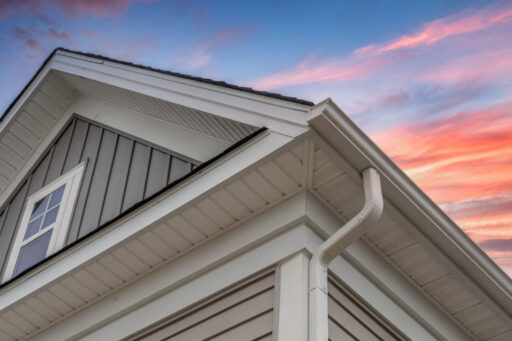
Think of them as a team. The fascia is the vertical board you see running along the edge of your roof – it’s the part your gutters are mounted to.
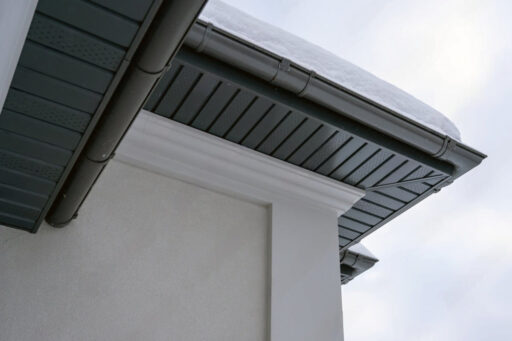
The soffit, on the other hand, is the horizontal panel tucked underneath the roof overhang. It runs from the fascia board back to the side of your house. So, the fascia faces out, and the soffit faces down. They meet at the corner to seal up the roofline.
How much does it cost to replace a fascia?
This cost can vary widely depending on the material you choose, the total length of fascia that needs to be replaced, and local labour rates.
For a typical single-story home in areas like Vancouver, BC, a full fascia replacement usually costs several thousand dollars, with most homeowners paying around $2,000 to $8,000 or more depending on the scope of work. Wood fascia is often cheaper upfront, but more durable options like vinyl or aluminum can be a better long-term investment since they require far less maintenance and hold up better in wet climates.
Should I DIY this or hire a pro?
This is the big one. If you’re an experienced DIYer who’s comfortable working on a ladder and has done exterior trim work before, a small repair job might be within your skills.
But for a full replacement? That’s almost always a job for a professional. It’s a surprisingly involved process that includes removing gutters, handling long, heavy boards at a height, and making sure you get a perfect, weatherproof seal. A pro will get it done safely and correctly, which is something you don’t want to mess up when it comes to protecting your home.