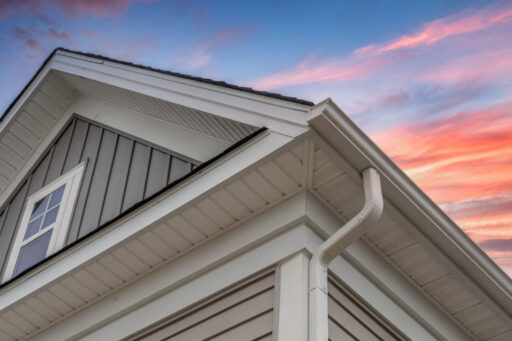

Have you ever wondered about your house’s soffit and why it matters? Your home’s exterior has this often-overlooked component that is a vital part of protecting your property. The soffit is the exposed surface you’ll find under your roof’s overhanging eaves, and it works quietly to protect your home around the clock.
Take a look at houses’ exteriors and you’ll see how the soffit and fascia team up to protect the vulnerable underside of the roof. These soffits are much more than just decorative features – they act as vital ventilation units for your attic. A roof can overheat without working soffits, which leads to shorter lifespans for materials like shingles and energy bills that are a lot higher. On top of that, it stops moisture from building up, since moisture is where mould loves to grow. Your building’s roof structure will last longer thanks to soffits that provide this key defence against water damage during bad weather.
What Are Soffits on a House?
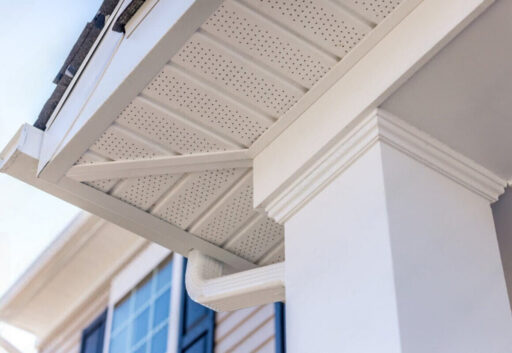
Look up at your home’s roof edges. The horizontal underside beneath the roof overhang is your soffit. The word “soffit” has Latin roots in “suffixus,” which means “something fixed underneath”. This architectural feature protects your home while adding to its visual appeal.
Definition and location of soffits
Soffits cover the flat, horizontal surfaces under your roof’s overhang where it extends past the exterior walls. They seal the space between your roof edge and house side effectively. Some homes have eaves that don’t stick out beyond the sidewalls. Others might have extending eaves but leave them open without soffit coverage.
Finding your soffit is easy. Walk around your house and look up. Your home has soffit installed if you see the underside of the eaves but can’t spot the rafters. You might miss this area from the street, but it becomes obvious when you stand next to your house.
How soffits differ from fascia
Soffit and fascia work as a team but serve unique purposes:
- Soffits run horizontally under roof overhangs. They let your attic breathe, keep moisture away, and stop unwanted pests from getting inside.
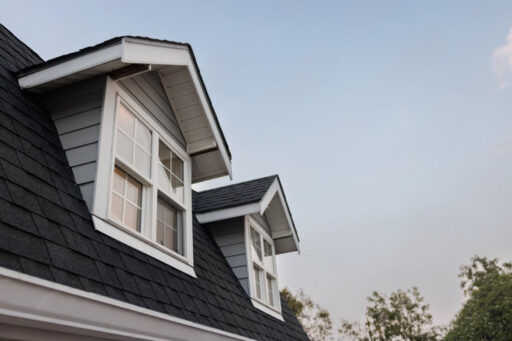
- Fascia boards run vertically along your roof’s edge where you typically attach gutters. While soffits hide under your roofline, fascia stands out more and adds much to your home’s curb appeal.
Picture it this way: soffits act as your roof’s underbelly, while fascia creates the “face” or front-facing trim of your roofline.
Why soffits are often overlooked
Soffits belong to those quiet heroes of your home’s exterior that rarely get noticed. Their location under the eaves makes them hard to spot from the street or far away.
Most homeowners underestimate their soffit’s importance because they can’t see them easily. This oversight can lead to trouble since soffits do more than look good. They shield rafters from weather damage, keep your attic ventilated, and prevent issues like mould growth and structural problems that can get pricey.
Why Soffits Are Essential for Roof Health
Your home has a silent guardian right under the roofline. A well-installed soffit creates a vital barrier between your home’s structure and the outside world. This protection shields against moisture, extreme temperatures, and uninvited pests.
Ventilation and airflow in attic spaces
Soffits work as the intake part of your complete ventilation system. Natural convection drives this passive ventilation—cool air flows through soffit vents while warm air escapes from ridge or roof vents. Your attic needs this constant airflow. According to building design principles, ventilated soffits allow outside air to enter attic spaces, supporting continuous airflow through the roof assembly and helping prevent heat and moisture buildup.
Without proper ventilation, attic temperatures can rise significantly, increasing stress on roofing materials and insulation. Without proper ventilation, attic temperatures can spike above 150°F. The ventilation system needs a balance between intake (soffit) and exhaust vents to work well. A good rule of thumb is to add one square foot of ventilation for every 150 square feet of attic space.
Moisture control and mould prevention
Your attic needs proper ventilation through soffits to fight moisture problems. Warm, humid air from daily activities like cooking and showering can rise to your attic. This air condenses on cool surfaces when airflow is poor, creating perfect conditions for mould.
Homes that lack proper soffit ventilation see 160% more moisture buildup in attic spaces. This extra moisture damages insulation and leads to wood rot. Over time, your home’s structure can deteriorate.
Energy efficiency and temperature regulation
Ventilated soffits help you save on energy costs. They reduce your cooling system’s workload by preventing summer heat buildup. Research shows that good attic ventilation can cut cooling costs by 10% during summer.
In winter, proper ventilation helps prevent ice dams by keeping roof temperatures steady. Your roofing materials last longer because they don’t face extreme temperature changes.
Pest prevention and structural protection
Soffits do more than help with airflow–they block pests from getting in. Birds, wasps, rodents, and insects can’t build nests in your roof’s rafters when soffits are installed correctly.
Your home’s structure stays protected because soffits seal off areas where wind might force moisture inside. This protection extends your building materials’ life by keeping damaging elements away.
Choosing the Right Soffit Material
Your choice of soffit material plays a vital role in your home’s durability, maintenance, and overall look. Each option brings unique benefits that you should think over.
- Vinyl soffits: low maintenance and affordable
Vinyl ranks among the most affordable soffit options, with prices ranging from $5-$9 per linear foot. The colour runs through the entire material, so it needs minimal upkeep and no painting. New homeowners love vinyl because it resists moisture, rot, and insect damage. All the same, vinyl has its downsides. It can turn brittle in extreme weather and might crack in freezing conditions or buckle under intense heat. - Aluminum soffits: durable and weather-resistant
Aluminum soffits work best in coastal or humid areas. They cost more at $9-$17 per linear foot but resist corrosion well and stand up to harsh weather. Aluminum won’t burn, which adds safety to your home. The material might develop a chalky look over time, but its 30-50 year lifespan compared to vinyl’s 20-30 years makes it worth the original cost. - Wood soffits: traditional but high maintenance
Wood soffits look naturally beautiful but need regular care. They cost less at first ($1-$3 per linear foot) but you’ll need to repaint them every five years depending on your climate. Wood can rot, warp, and attract pests, which leads to a shorter 10-20 year lifespan. - Fibre cement and steel options
Fibre cement combines durability with style and resists moisture, rot, and pests well. Steel soffits offer exceptional strength with a Class 4 impact rating – the highest available. Both materials resist fire and need little maintenance, making them good long-term investments despite higher upfront costs. - Vented vs. non-vented soffits
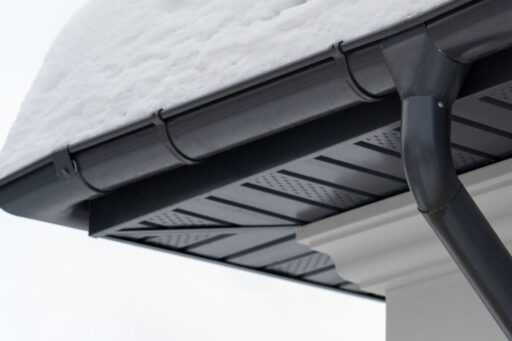
Your home’s ventilation needs to determine whether you should choose vented or non-vented soffits. Vented soffits have holes that help proper attic airflow, which prevents excess moisture and supports more stable attic conditions. ENERGY STAR notes that attic ventilation works by allowing outside air to move into the attic at the soffits and out through a ridge or gable vent, which is why soffits are typically treated as the intake side of the system.
Installation, Maintenance, and Common Issues
Your home’s soffits play a vital role in protecting the roof structure. Regular maintenance of these often-overlooked components can save you thousands in repairs that might get pricey.
Signs your soffit needs repair or replacement
Watch for these warning signals:
- Wood that cracks, rots or feels soft under pressure
- Paint that peels, changes colour, or shows water stains
- Holes, gaps, or sections that sag
- More pest activity near roof edges
- Odours that smell musty or mould growth
- Water stains on interior ceilings or walls close to the roofline
- Black mould spots on rafters or nail tips that have rusted
Simple maintenance tips for longevity
You should inspect your soffits twice a year, ideally during spring and fall. A solution of mild detergent and water with a soft bristle brush works well for cleaning. Stubborn grime needs a mixture of ⅓ cup detergent with ⅔ cup trisodium phosphate in a gallon of water. Make sure all soffit vents stay clear to maintain proper airflow. Small cracks need immediate sealing to stop water and pests from getting in.
Cost factors: materials, labour, and size
Soffit repairs typically cost between $300 and $800 based on damage extent. Complete replacement costs vary by material: vinyl runs $4-$8 per linear foot, aluminum costs $8-$20, and wood ranges from $15-$30. Labour adds about $1-$3 per linear foot. Hard-to-reach areas might increase costs by 7-15%.
At the time to call a professional
You need expert help for:
- Large areas of rot or mould
- Issues affecting rafter structure
- Work at dangerous heights
- Older homes that might have asbestos
- Areas near electrical hazards
- Complex installations needing specialized tools
Common problems: rot, pests, and poor airflow
Moisture remains the biggest enemy of soffits and can cause wood rot that spreads to fascia boards and rafters. Birds, rodents, and insects often enter through damaged areas and might create fire hazards by chewing through wires. Poor ventilation creates excessive heat and humidity that results in condensation and feeds mould growth. Ice dams can form during winter at roof edges if soffit vents become blocked.
Conclusion
Soffits may be out of sight, but they play a critical role in protecting your home. They help control moisture, support proper attic ventilation, and prevent pests from entering the roof structure. When soffits are neglected, problems follow–water damage, mould growth, pest intrusion, and premature roof wear. Regular inspections and basic maintenance help catch issues early and avoid costly repairs.
Choosing the right soffit material matters. Vinyl offers affordability, aluminum delivers durability, and wood provides a classic look. If your soffits need inspection, repair, replacement, or full installation, our team can help. At Marks Roofing, we provide professional soffit services–from routine maintenance to complete upgrades–to keep your roof system working as it should.