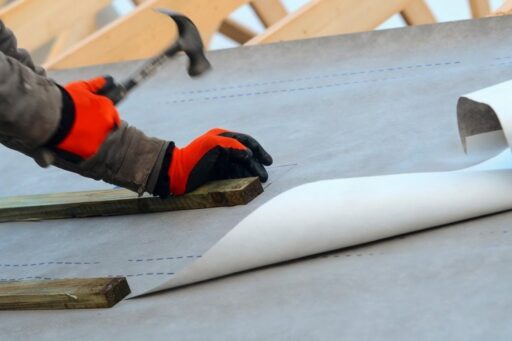

Most homeowners think about shingles, metal panels, colour, warranty, and price before a roof replacement. Roof decking? Usually that comes up later, once the old roofing is being stripped off and the roofer can finally see what is underneath.
Fair enough. Roof decking is hidden. You do not see it from the street, and in many homes you cannot fully judge it from the attic either. Still, it is one of those parts of the roof that quietly decides whether the new system has a proper base or not.
At Marks Roofing, we usually confirm roof decking during tear-off instead of guessing from the ground. A roof can look ready from the outside, then show soft panels, old leak damage, swollen sheathing, or weak fastening areas once our crew opens up the old materials.
Quick Answer: What Is Roof Decking?
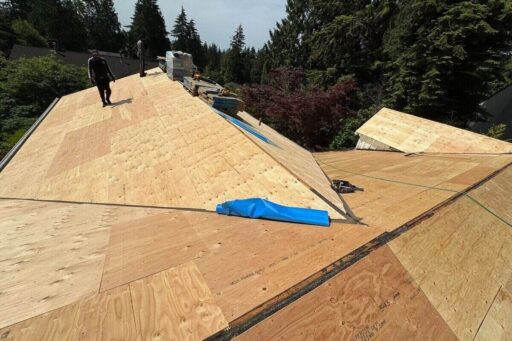
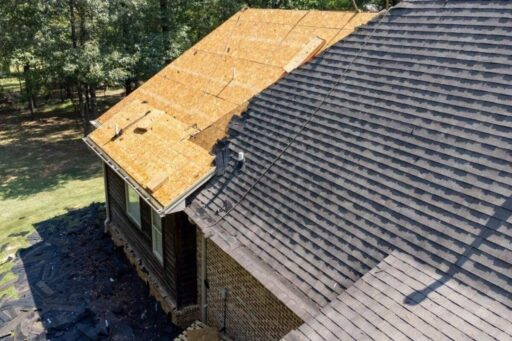
Roof decking is the solid surface attached to the roof framing. It sits over the rafters or trusses and under the roofing materials. Shingles, metal roofing, underlayment, ice and water shield, and flashing details all depend on this base layer being strong enough to support them.
In many modern homes, roof decking is made from plywood or OSB panels. In some older homes, roofers may find plank decking, older board systems, or previous patch repairs. The exact material can vary, but the job of the deck stays the same: it gives the roof system a stable surface to fasten into.
A sound roof deck should feel firm, secure, reasonably flat, dry, and able to hold nails or screws properly. If the deck is soft, rotted, delaminated, swollen, loose, or badly damaged, new roofing materials cannot fix that weakness. That is why roofers check the decking before installing the new roof covering. New shingles or new metal roofing may clean up the outside of the roof. They do not make weak wood strong again.
Roof Decking vs Roof Sheathing: Is There a Difference?
In everyday roofing conversations, roofers often use roof decking and roof sheathing to mean almost the same thing. One roofer might say “decking.” Another might say “sheathing.” Most of the time, both mean the layer under the roof covering.
The small difference comes from how roofers use the words. “Roof deck” or “roof decking” often means the full support surface of the roof. “Roof sheathing” often means the panels that create that surface, such as plywood or OSB.
For a homeowner, the practical meaning is simple enough. Both terms point to the hidden wood or panel layer that supports the roofing system. If a roofer says the sheathing feels soft, or the deck has damage, the concern stays the same: the roof covering may not have a reliable base.
This matters during roof replacement because the new roof depends on what sits underneath it. If the sheathing has damage, the problem is not cosmetic. It can affect fastening, moisture protection, roof performance, and the expected service life of the new roof.
In older Vancouver homes, roofers may also find older plank decking or mixed repairs from past work. That does not automatically mean the roofer has to replace the deck. It does mean the roofer has to check whether the existing surface can still support the new roofing system.
Why Roof Decking Matters During Roof Replacement
Roof decking matters because it carries the roof system. Fasteners need something solid to bite into. The underlayment also needs a stable base, and the finished roof has to sit properly on top. Deck condition can also affect how the roof handles wind, water, movement, and daily exposure. If the deck is sound, roofers can usually install the new roofing system over it. If the deck is weak, the new roof may start with a problem already built in.
Fastener holding strength is one of the biggest reasons. Shingles and many metal roofing systems depend on nails or screws holding firmly in the deck. GAF’s shingle installation instructions, for example, reference dry roof decks, adequate nail-holding capacity, and proper fastening into wood decks. If the wood is rotten, soft, swollen, cracked, or delaminated, those fasteners may not grip the way they should.
That can lead to lose materials, lifted edges, movement, leaks, or early failure. The roof might look finished, sure. But the base underneath is not doing its job.
Decking also matters for warranty expectations. Manufacturers typically expect roofing materials to be installed over a sound, stable, properly prepared deck. If the substrate is questionable, the roof may not perform as intended, even when the visible materials are good quality.
Moisture is another major factor in Vancouver and coastal BC. Heavy rain, shaded roof areas, moss, debris buildup, wind-driven rain, old leaks, and attic condensation can all affect roof decking over time. It is not always dramatic either. Sometimes moisture slowly weakens one valley, one eave section, or one area around a chimney or vent.
That is why a good tear-off inspection is not just a quick look. It is the point where the roofer confirms whether the roof is ready for new materials or whether damaged decking has to be corrected first.
Signs Your Roof Decking May Need Replacement
Homeowners often want to know whether bad decking can be spotted before the roof is opened. Sometimes there are clues, but other times the roof looks fine from the outside until the old roofing comes off.
A stained area in the attic may show a past leak, but stained sheathing does not always mean replacement. If the wood is dry, firm, and still holds fasteners properly, it may stay. Soft, spongy, rotted, swollen, or delaminated decking is different because that points to a real performance problem.
Common trouble areas include valleys, eaves, chimneys, vents, skylights, gutters, and roof edges. These areas see more water, transitions, and runoff, so failed flashing, backed-up gutters, moss, old leaks, or poor ventilation can damage the decking over time.
| Visible sign or clue | Possible decking problem | When roofers confirm it |
|---|---|---|
| Soft or spongy roof surface | Rotted, wet, or weakened decking | Usually during roof walking or after tear-off |
| Dark stains in attic | Past leak, condensation, or moisture exposure | Before replacement, then confirmed after tear-off |
| Sagging areas | Weak sheathing, framing movement, or old damage | During inspection and tear-off |
| Swollen panel edges | Moisture exposure, often in OSB or panel seams | After old roofing is removed |
| Delaminated plywood | Layers separating due to age or moisture | After direct deck inspection |
| Damage near valleys, vents, or chimneys | Leak-related sheathing damage | During tear-off around those details |
| Loose or popping fasteners | Weak deck grip or panel movement | During inspection and removal |
| Old patch repairs | Previous leak or repair area that needs checking | During tear-off and documentation |
The key is not to guess too much from the outside. A roof can hide damage under shingles, old underlayment, or previous roofing layers. Some warning signs, like curling shingles or sagging roof areas, can point to a bigger problem, but some decking replacement is only confirmed once removal begins.
What Roofers Check After Removing Old Roofing
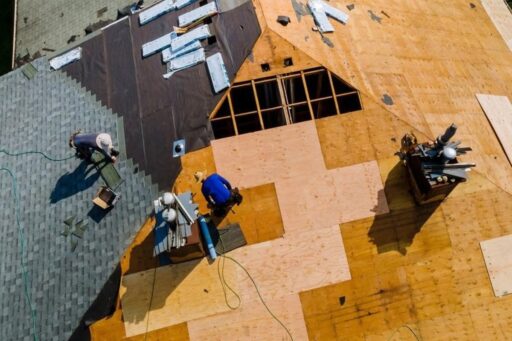
After tear-off, roofers finally get a clear look at the roof deck. This is where the real inspection happens. At Marks Roofing, this is the stage where questionable areas are checked before the new roofing system goes on. The goal is not to replace wood just because it has a stain. The goal is to confirm whether the deck is sound enough to support the new roof.
Roofers look for soft spots, rotten sections, swelling, delamination, loose panels, gaps, broken boards, old patch repairs, and areas where fasteners will not hold well. Valleys, eaves, vents, chimneys, skylights, roof edges, and gutter lines usually get extra attention because water often finds its way into those areas first.
The attic side can help too. Water stains, mould, damp insulation, or condensation patterns may show where moisture has been active. But the top side after tear-off usually gives the clearest answer. If our crew finds damaged decking, the homeowner should get a clear explanation, photos where possible, and approval before extra decking work continues. Nobody likes hearing about added work after the roof is opened, but the process should still be straightforward.
Some roofs only need a few panels changed. Others need larger sections replaced if moisture damage, age, or structural weakness is spread across the roof.
Plywood vs OSB Roof Sheathing: What Homeowners Should Know
Plywood and OSB are both common roof sheathing materials, and both can work well when used properly and protected by a functioning roof system. Made from thin wood veneer layers bonded together, plywood has good stiffness and strong fastening performance, but repeated moisture can cause delamination.
OSB, or oriented strand board, uses compressed wood strands and adhesive. Residential roofers use it often, but repeated moisture exposure can make it swell, especially at panel edges. The real question is what the roof design, manufacturer requirement, framing, fastening method, and project condition call for.
For many homeowners, the practical difference is moisture response and fastening performance. In wet coastal conditions, roofers watch for swollen OSB edges, delaminated plywood, old patches, and panels that have lost holding strength.
| Material | Practical difference | Homeowner takeaway |
|---|---|---|
| Plywood roof decking | Layered panel with strong fastening performance when dry and sound | Good option when properly rated and not delaminated |
| OSB roof sheathing | Strand-based panel commonly used in modern roof construction | Good option when properly rated and not swollen or moisture-damaged |
| Old plank decking | Found on some older homes and may have gaps or movement | Needs compatibility review before new roofing goes on |
| Skip sheathing | Spaced boards used in some older roof assemblies | May need a solid deck added depending on the new roofing system |
| Damaged panels | Swelling, rot, cracks, or delamination affect performance | Damaged sections should be replaced before installation continues |
Thickness, span rating, panel type, and fastening requirements all matter, but the practical point is simple: the sheathing should suit the roof system and be strong enough to support it. This applies to both asphalt shingle roof replacement and metal roof replacement, because both need stable decking and fasteners that can grip properly.
Can You Replace a Roof Without Replacing the Decking?
Yes, a roof can often be replaced without replacing all the decking. Many roof replacements keep the existing deck when it is still sound. This is where homeowners sometimes get mixed messages. Some assume roofers always replace decking during roof replacement. Others assume old decking always stays. Neither is true.
The real answer depends on condition. If the existing deck is firm, dry, stable, suitable for the new roofing material, and able to hold fasteners properly, it may stay. If sections are soft, rotted, swollen, delaminated, loose, or unsafe for fastening, the roofer should replace those sections before the new roof goes on.
Partial decking replacement is common. A roof may only need repair around a valley, chimney, vent, skylight, eave, or old leak area. Roofers usually reserve full decking replacement for more widespread problems. Hidden damage can also affect cost and schedule because old shingles, underlayment, or previous layers may cover the full condition until tear-off.
That does not mean homeowners should get a surprise without explanation. A professional roofing contractor should document the issue, explain why the decking needs replacement, and get approval before extra work proceeds. For homeowners, the better question is not “Can we avoid replacing decking?” It is “Is the decking sound enough for the new roof?”
Quick Recap: Roof Decking Before Roof Replacement
Roof decking is the hidden support layer under the roof covering. Roof sheathing usually means the panel material that creates that deck. In everyday roofing conversations, both terms often point to the same base layer.
The deck matters because shingles, metal panels, underlayment, flashing details, and fasteners all depend on it. New roofing materials cannot make soft, rotten, swollen, loose, or delaminated decking sound again. A roof can often be replaced without replacing all the decking. Sound decking can usually stay. Damaged sections may need partial replacement. Full replacement is not always necessary, but installing over weak decking can shorten the life of the new roof.
For homeowners in Vancouver and surrounding areas, coastal moisture makes this inspection especially important. Heavy rain, shade, wind-driven moisture, old leaks, attic condensation, and slow-drying roof areas can all affect the deck over time. At Marks Roofing, we make sure homeowners understand how our crew will check the decking, what happens if hidden damage appears, and how we explain and approve any extra decking work before the project moves forward.