
Roofing is high-risk work, so BC homeowners should verify more than price before hiring a contractor. A current WorkSafeBC clearance letter helps confirm whether a roofing contractor is registered and in good standing. Homeowners should also ask for Commercial General Liability insurance, written warranty terms, and a clear scope of work before booking roof replacement, roof repair, or a roof inspection.
Disclaimer: This article is for educational purposes only and does not provide legal advice. Homeowners should verify current requirements directly with WorkSafeBC, their insurer, their strata corporation where applicable, and the relevant municipality before hiring a contractor.
What Is a WorkSafeBC Clearance Letter?
A WorkSafeBC clearance letter helps confirm whether a roofing contractor is registered with WorkSafeBC and current with payroll reporting and payments. Before roof work starts, homeowners can use WorkSafeBC’s clearance letter tool to check a contractor’s clearance status.
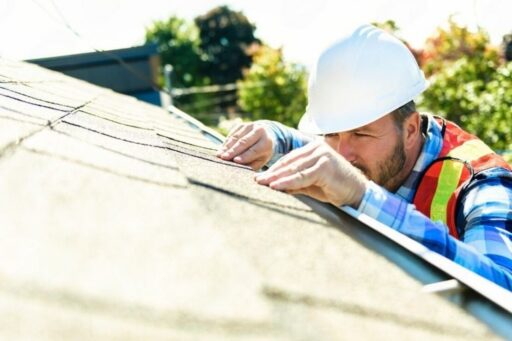
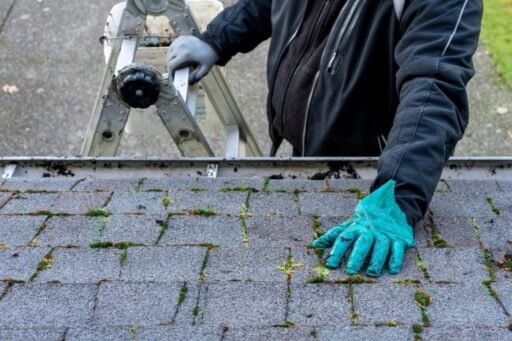
For roofing, this matters because roof repair and roof replacement involve crews working at height, using ladders, handling tear-off debris, carrying materials, and working around steep slopes, driveways, landscaping, vehicles, and neighbouring property.
A clearance letter does not tell you whether the roofer is the best contractor. It does not review workmanship quality, and it does not replace a written warranty. It helps verify one important risk layer before work begins.
For broader contractor-selection questions, this guide on how to choose a roofing contractor explains what homeowners should ask before signing.
Why Clearance Verification Matters for Roofing Work
A nice website, a low quote, or a verbal promise is not enough. Roofing work carries real jobsite risk, especially in Metro Vancouver, where steep rooflines, wet surfaces, tight lots, tree cover, and limited access can make projects more complex.
Homeowners are advised to get a clearance letter for each contractor to make sure the contractor is in good standing. WorkSafeBC also explains that homeowners could be held jointly liable for unpaid insurance premiums if the contractor does not pay premiums during the period they worked for the homeowner.
That is why the safest approach is simple: ask for the paperwork before roof work starts, not after a problem appears.
Clearance Letter vs. Commercial General Liability Insurance
Many homeowners confuse worker coverage with contractor insurance. They are not the same thing.
| Document | What it helps verify | What it does not prove |
|---|---|---|
| WorkSafeBC clearance letter | Contractor registration and payment/reporting status | Work quality or property damage coverage |
| Commercial General Liability insurance | Property damage and third-party liability risk | Contractor clearance status |
| Workmanship warranty | Contractor’s installation warranty terms | Insurance or clearance status |
| Manufacturer warranty | Product warranty terms | Labour quality, jobsite safety, or contractor insurance |
Commercial General Liability insurance, often called CGL, is usually connected to property damage or third-party liability risk. For example, it may matter if a contractor damages siding, windows, gutters, a vehicle, landscaping, or neighbouring property during construction.
A clearance letter is different. It relates to worker coverage and the contractor’s standing. For a roofing project in BC, homeowners should ask about both. Warranty terms are another separate topic, and this guide to roofing warranties explains how manufacturer and workmanship coverage can differ.
Checklist: How to Verify a Roofer’s Clearance Status
Before hiring a roofer in BC, use a simple verification process:
- Ask for the exact legal or business name used on the estimate.
- Ask whether the company is registered with WorkSafeBC.
- Ask for the contractor’s account number, if available.
- Request a current clearance letter.
- Check that the company name matches the name on your estimate or contract.
- Check the clearance status and date range.
- Save the letter with your quote, contract, invoice, warranty, and project photos.
For strata roofing, townhouse complexes, and multi-family roofing projects, the Strata Property Manager or Strata Council may also request these documents before approving site access.
What Homeowners Should Ask Before Roof Repair or Replacement
A reliable roofing contractor should be able to explain what documents apply to the project. Before signing, ask:
- Can you provide a current clearance letter?
- Do you carry Commercial General Liability insurance?
- Can you provide proof of liability insurance?
- Does the company name match across the contract, insurance, and clearance documents?
- Do you use subcontractors?
- If subcontractors are used, how are they verified?
- What workmanship warranty applies?
- What manufacturer warranty applies?
- What safety and property protection steps are included?
- What documents will I receive after the job is complete?
These questions are not about making the process difficult. They help protect the homeowner, the contractor, the crew, and the property.
Red Flags You Should Not Ignore
Some warning signs are worth taking seriously before hiring a roofing contractor in BC.
Be cautious if a roofer says:
- “We have insurance, but you do not need to see it.”
- “Worker coverage does not apply to us.”
- “Everyone is an independent contractor, so it is not our issue.”
- “The warranty covers everything.”
- “The price is only valid if you sign today.”
- “We can start tomorrow and send paperwork later.”
Also watch for expired certificates, screenshots with no date, documents under a different company name, or vague answers about who will actually be on the roof.
A missing document does not automatically mean a contractor is dishonest. But it does mean the homeowner should verify before work begins.
Why Strata and Multi-Family Roofing Projects Usually Need More Paperwork
Strata and multi-family roofing projects often involve more documentation than a single-family home. That is because the work can affect multiple owners, shared property, parking areas, common entrances, resident safety, and neighbouring units.
A property manager may ask for a clearance letter, Commercial General Liability insurance, a written scope of work, safety and access planning, product specifications, warranty information, and resident notices. This is especially important for strata roofing, townhouse complexes, and multi-family roofing projects in Metro Vancouver, where approval, access, documentation, and resident communication can be more complex than a single-home project. This guide to single-family roof replacement vs strata roofing in Metro Vancouver explains the main differences.
Quick Takeaway Before Hiring a Roofer in BC
A safe roofing decision is not only about choosing the lowest quote. It is about verifying the contractor, understanding what each document covers, and keeping records before roof repair or roof replacement begins. Before booking roof repair, roof inspection, or roof replacement in Metro Vancouver, ask Marks Roofing for a clear scope of work, current contractor documentation, and a roofing estimate that explains what is included before work starts.