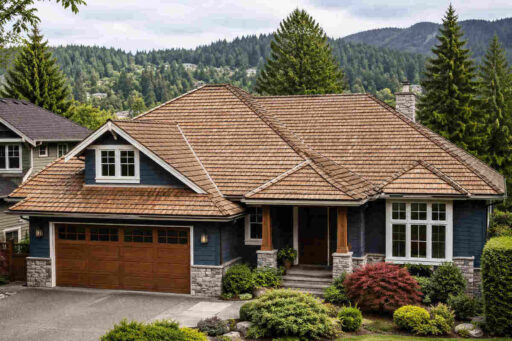

Cedar shake roof maintenance includes removing moisture-trapping debris, checking whether the wood can dry properly, inspecting shakes, ridge caps, fasteners, valleys, and flashing, and repairing localized damage before it spreads.
Grey weathering alone does not mean a cedar roof has failed. More important warning signs include soft wood, widespread curling, damaged butt ends, loose shakes, deteriorated ridge caps, and problems affecting several roof areas.
Because aged cedar can become brittle, homeowners should inspect the roof from the ground and leave direct roof access to trained roofing professionals.
| Cedar roof condition | Likely next step |
|---|---|
| Grey but firm cedar | Continue monitoring and maintenance |
| Leaves or needles between courses | Professional debris removal |
| Moss or surface growth | Assess the wood before cleaning |
| Several isolated damaged shakes | Localized cedar roof repair |
| Widespread soft or brittle wood | Replacement assessment |
What Does Cedar Roof Maintenance Include?
A complete cedar roof maintenance assessment should cover:
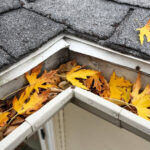
- Leaves, branches, fir needles, cones, and dirt
- Valleys, gutters, and downspouts
- Splitting, curling, cupping, and broken shakes
- Ridge and hip caps
- Exposed, backed-out, or corroded fasteners
- Flashing and roof penetrations
- Shaded and sun-exposed roof slopes
- Previous cleaning, coatings, or treatments
- Attic and roof-assembly ventilation
Cedar roofing depends on repeated wetting and drying. Debris trapped in valleys or between courses can retain moisture against the wood and slow drying after rain. In Greater Vancouver’s coastal climate, shaded slopes and roofs beneath mature trees may remain damp longer than open, sun-exposed areas.
The Cedar Shake & Shingle Bureau maintenance guidance recommends professional removal of needles, branches, leaves, and dirt that can interfere with the cedar roof’s ability to dry.
Cedar performance also depends on the complete roofing assembly. The RCABC Cedar Shake & Shingle Systems Standard covers relevant BC requirements for roof decks, ventilation, valleys, ridges, flashing, and other system details.
How Should a Cedar Shake Roof Be Cleaned?
A cedar shake roof should be assessed before cleaning begins. Brittle, split, or softened shakes may be damaged by aggressive brushing, strong chemicals, excessive water pressure, or unnecessary foot traffic.
A suitable cleaning process normally includes:
- Inspecting the cedar, ridge caps, and roof details.
- Identifying unstable or deteriorated areas.
- Removing loose branches, leaves, and needles.
- Distinguishing natural weathering from moss, lichen, staining, or decay.
- Using the least aggressive compatible cleaning method.
- Following the cleaning product’s instructions.
- Reviewing the roof condition again after cleaning.
Aggressive pressure washing can remove weathered wood fibres, widen existing checks, and damage brittle cedar. There is no universal pressure setting or chemical mixture suitable for every cedar roof.
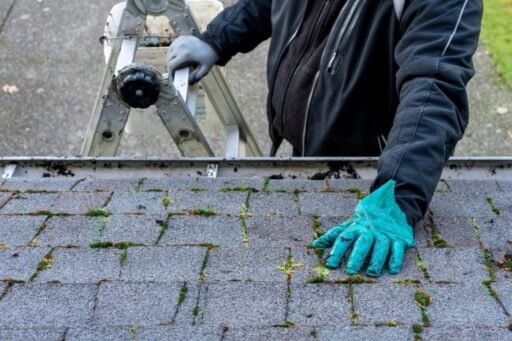
Homeowners should not climb onto a wet or aged cedar roof. Besides the fall risk, walking across the surface may crack otherwise serviceable shakes.
For related information about organic growth, see our guide to removing moss from a roof. Cedar still requires its own material-specific assessment before any cleaning method is used.
Should Cedar Roofing Be Treated?
Not every cedar roof needs a topical treatment. Factory-applied preservatives or fire-retardant treatments are different from products applied after the roof has been installed.
Before using a field-applied product, verify that it:
- Is specifically labelled for cedar shakes or shingles
- Identifies its active ingredients
- Includes surface-preparation and application instructions
- Is compatible with any previous treatment
- Does not create a moisture-trapping surface film
- Includes realistic maintenance guidance
- Has a current safety data sheet
Waterproof sealers, generic oils, and film-forming coatings may restrict drying. In humid coastal conditions, an unsuitable product may retain moisture instead of protecting the wood.
A treatment cannot repair split shakes, reverse wood decay, restore structural strength, or permanently prevent moss. It should not be presented as waterproofing or as a way to restore a factory fire classification.
What Signs Mean a Cedar Roof Needs Repair?
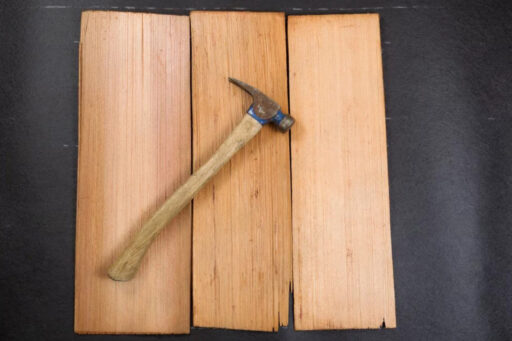
Localized repair may remain practical when the damage affects individual shakes, ridge caps, fasteners, or roof details while the surrounding cedar remains firm and serviceable.
Common repair signs include:
- Isolated broken or displaced shakes
- Severe curling or cupping
- Wide splits affecting the exposed course
- Loose or deteriorated ridge and hip caps
- Exposed or corroded fasteners
- Dark iron staining around unsuitable fasteners
- Localized softness at exposed butt ends
- Damage near valleys, walls, chimneys, or penetrations
Some surface checking and splitting can occur naturally as cedar weathers. The location, width, depth, overlap, and condition of the surrounding courses determine whether a shake requires replacement.
Badly curled shakes should not simply be forced flat with additional nails. Replacing the affected piece is often more appropriate and avoids creating further splits or unnecessary penetrations.
A broader replacement assessment may be needed when there is widespread softness, crumbling wood, extensive curling, repeated ridge-cap failure, numerous damaged shakes, or a roof that has become too brittle to access safely.
See the common signs an aging cedar roof needs attention for broader deterioration and replacement considerations.
Maintenance, Cleaning, Repair, or Replacement?
| Service | Usually appropriate when | Main limitation |
|---|---|---|
| Maintenance | The roof remains serviceable but needs debris removal and inspection | Does not reverse existing deterioration |
| Cleaning | Surface growth or contamination can be removed without damaging the wood | Cannot restore soft or decayed cedar |
| Treatment | The cedar remains suitable and the product is compatible | Not structural repair or waterproofing |
| Spot repair | Damage is isolated and surrounding courses remain serviceable | Becomes inefficient when deterioration is widespread |
| Replacement | Damage or roof-assembly problems affect large areas | Requires deck review and a complete replacement scope |
Appearance alone is not enough to select the right service. A grey cedar roof may still be firm, while a cleaner-looking roof may contain brittle shakes, failed ridge caps, or concealed deterioration.The decision should consider wood firmness, damage distribution, fasteners, valleys, flashing, previous treatments, ventilation, drainage, and the condition of the underlying roof assembly.
Marks Roofing provides professional cedar roofing services. Localized damage may still be suitable for cedar roof repair when the surrounding courses remain serviceable.
How Often Should Cedar Roofing Be Maintained?
There is no universal cedar roof maintenance interval. The appropriate frequency depends on:
- Roof age and condition
- Tree cover and debris accumulation
- Shade and orientation
- Roof slope
- Previous treatments
- Ventilation and drying conditions
Homeowners can review visible roof conditions from the ground before the wet season and after strong winds. Roofs beneath fir, cedar, or deciduous trees may require more frequent debris checks.
During a professional roof inspection, Marks Roofing checks the shakes, ridge caps, fasteners, valleys, flashing, gutters, shaded slopes, ventilation, previous treatments, and whether deterioration is isolated or widespread.
Cedar Shake Roof Maintenance FAQ
Can a cedar shake roof be pressure washed?
Aggressive pressure washing can remove weathered wood fibres and damage brittle cedar. Any powered cleaning should follow a professional condition assessment. No single pressure setting is appropriate for every cedar roof.
Should cedar shakes be oiled?
Not automatically. Some oil-based products can restrict drying in humid climates. Any treatment must be labelled for cedar roofing and compatible with the existing cedar and previous products.
Does grey cedar mean the roof needs replacement?
No. Grey colour may be natural weathering. Wood firmness, curling, splitting, fastener condition, ridge caps, roof details, and the extent of deterioration matter more.
Can individual cedar shakes be replaced?
Yes. Isolated broken, curled, or deteriorated shakes may often be replaced when adjacent courses remain serviceable. The repair must preserve proper overlap, fastening, and water-shedding details.
Does cedar roof maintenance extend roof life?
Appropriate maintenance can reduce avoidable deterioration by removing debris, supporting drying, and repairing localized damage. It cannot restore cedar that has already become widely soft, brittle, or decayed.
Marks Roofing can inspect the cedar, ridge caps, fasteners, flashing, drainage, and drying conditions before recommending maintenance, cleaning, localized repair, or replacement.