
Burnaby roof wear changes by location because elevation, shade, tree cover, summer heat, wind exposure, and nearby moisture do not affect every roof the same way. A roof near Burnaby Mountain can age differently from one near Metrotown, Deer Lake, Central Park, South Burnaby, or Marine Way, even when the shingles were installed around the same time. That is why a local Burnaby roofing assessment needs to look at the roof’s exact exposure, not just its age.
That is the main point of this guide. Roof lifespan is not only about the product on the roof. It is also about how long the roof stays wet, how much sun it gets, how much heat builds up in the attic, how much debris collects in valleys and gutters, and how exposed the edges are before fall storms return. Summer is the best time to catch many of these issues. The roof is usually easier to inspect while it is dry, small repairs are easier to plan, and moss, flashing gaps, granule loss, cracked shingles, and gutter blockages are easier to see before the wet season makes everything harder.
In Burnaby, the smart rule is simple: inspect the roof while the weather is dry, then fix small issues before fall rain turns them into larger roof repair problems.
Summer Focus: The Heavy Toll of Summer Heatwaves in Burnaby
Summer heat can shorten roof life when asphalt shingles, attic ventilation, and roof exposure are not working together. In dense areas such as Metrotown and Brentwood, roof surfaces may face stronger heat and UV stress because of open exposure, paved surroundings, and attic heat buildup. What we look for first is not just “old shingles.” We look for signs that heat has changed how the roof is performing. Drying, cracking, curling, blistering, and granule loss can all show up faster on exposed slopes that take direct sun through long hot periods.
Attic ventilation matters here. If soffit vents are blocked or ridge ventilation is not moving hot air out properly, heat can build below the roof deck. That trapped heat may stress asphalt shingles from underneath while UV exposure works on the surface from above.
This is why a summer inspection should include both the roof surface and the attic ventilation path. A roof can look acceptable from the street but still show early warning signs in the attic, around vents, or on sun-exposed slopes. Metrotown and Brentwood roofs often need this heat-focused lens. The inspection should check for brittle shingles, raised edges, worn granules, cracked flashing sealant, and attic airflow issues before fall rain tests the weakest areas.

Microclimate Zone 1: Burnaby Mountain & SFU
Burnaby Mountain and the SFU area create higher-elevation roof conditions where moisture, fog, cooler surfaces, snow exposure, and moss risk can matter more. Roofs in this zone may stay damp longer than roofs in lower, more open parts of the city. The concern is not one rainy day. The concern is repeated moisture sitting on the roof surface, especially on shaded slopes or areas with tree cover. When shingles dry slowly, moss has more opportunity to spread, and small flashing or shingle problems can remain hidden longer.
Higher-elevation homes may also deal with more snow exposure in colder periods. SFU’s winter weather guidance notes that Burnaby Mountain gets regular winter snow, mostly from December through March, which is why summer is a good time to check what snow, meltwater, and freeze-thaw movement may have left behind.
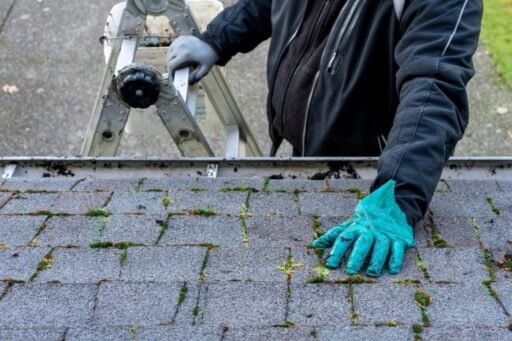
What our crew checks in this zone includes moss growth near shingle edges, debris in valleys, lifted tabs, loose flashing, gutter drainage, and any shingle wear that could become a leak path once fall rain returns. A small moss patch is not always an emergency, but moss growing under shingle edges is worth taking seriously.
For Burnaby Mountain roof repair decisions, the key question is whether the issue is surface maintenance or roof-system damage. Light moss may call for controlled moss removal and prevention planning. Lifted shingles, repeated leaks, or damaged flashing may call for targeted repair.
Microclimate Zone 2: Deer Lake & Central Park
Deer Lake and Central Park areas often create shade-heavy roof conditions where tree debris, cooler surfaces, and moss growth can become the main roof concern. Even in summer, these roofs may not dry as quickly as open, sun-exposed roofs.
Shade is not automatically bad. It can reduce direct UV exposure. But it also allows moisture to linger, especially where leaves, needles, and branches block airflow across the roof surface. That is where moss can start to feel like a small cosmetic issue while quietly creating larger shingle problems.
One summer detail Burnaby homeowners often miss is dry moss. Moss may look less active in hot weather, but it can still lift shingle edges as it dries and expands around tabs. Once rain returns, those lifted areas can hold water or allow wind-driven rain to move where it should not.
Tree debris is another issue. Valleys, gutters, and downspouts can collect leaves and needles during spring and summer. That debris can harden, block drainage, and then overflow when fall rain arrives.
In these neighbourhoods, the inspection should focus on roof valleys, shaded slopes, moss along edges, gutters, downspouts, and flashing near walls or roof penetrations. The practical action is not aggressive scraping or pressure washing. It is safe debris removal, controlled moss treatment, drainage checks, and repair where moss has already affected shingles.

Microclimate Zone 3: South Burnaby & Marine Way
South Burnaby and Marine Way roofs can face more open exposure, morning moisture, and wind-driven wear. Lower and more open areas near the Fraser River side may see roof surfaces that pick up early moisture, then dry under sun and wind through the day.
That wet-dry cycle matters because it can stress shingles, flashing, sealants, and roof edges over time. A roof in this zone may not have the same moss profile as a shaded roof near Central Park, but it can still develop problems around wind-exposed slopes and drainage paths.
What tends to fail first is often found at the edges. Loose shingles, lifted tabs, exposed fasteners, worn sealant, and vulnerable flashing can all become more serious when fall storms bring wind-driven rain.
Marine Way and South Burnaby inspections should look closely at ridge lines, rake edges, valleys, gutters, downspouts, and any slope that takes direct wind. If shingles are already loose in summer, they may not perform well once the weather turns.
Morning moisture also makes drainage important. Gutters need to move water freely, and downspouts need to discharge properly. If debris has built up during the dry season, fall rain can turn a small blockage into roof-edge overflow.
The Ultimate Burnaby Summer Roof Checklist
A Burnaby summer roof checklist should focus on what can fail when heat, moss, wind, and fall rain overlap. Keep it practical, visible, and tied to what can be fixed while the weather is still dry.
- Check the roof surface for cracked, curled, blistered, loose, or missing shingles.
- Look for granules collecting in gutters or bare-looking patches on asphalt shingles.
- Check shaded slopes for moss, especially where growth is lifting shingle edges.
- Look at valleys for packed leaves, needles, moss fragments, or hardened debris.
- Inspect gutters and downspouts for blockages before fall rain returns.
- Check flashing around chimneys, walls, vents, skylights, and roof penetrations.
- Look for cracked or moving sealant around flashing.
- Check exposed roof edges for wind-lifted shingles or loose tabs.
- Review attic ventilation, including soffit intake and ridge exhaust where accessible.
- Watch for hot attic symptoms, poor airflow, or blocked vents.
- Do not pressure wash asphalt shingles.
- Do not scrape moss aggressively.
- Plan small repairs while the roof is dry instead of waiting for the first heavy rain.
Conclusion & Call to Action
Burnaby roofing conditions change by microclimate, so roof maintenance should match the location. Higher areas around Burnaby Mountain and SFU need more attention to moisture, snow exposure, fog, and moss. Deer Lake and Central Park roofs need closer checks for shade, tree debris, and moss-related shingle lifting. Metrotown and Brentwood roofs need heat, UV, and attic ventilation checks. South Burnaby and Marine Way roofs need wind, morning moisture, drainage, and storm-readiness checks.
The best time to catch these issues is summer, before fall rain returns. A dry roof is easier to inspect, small repairs are easier to complete, and the difference between routine maintenance and real roof damage is easier to judge.
If your roof has moss, cracked shingles, loose edges, blocked gutters, flashing gaps, or attic heat concerns, book a Burnaby roof inspection before the wet season. Ask Marks Roofing to check ventilation, moss, flashing, gutters, shingles, and wind-exposed areas while the weather is still dry.