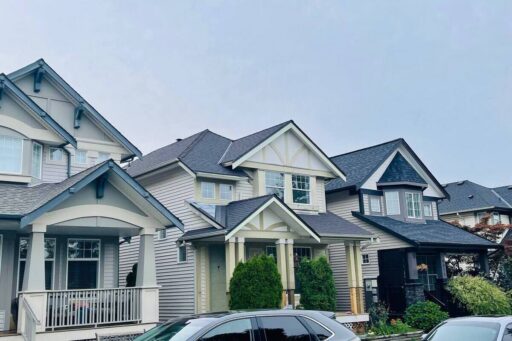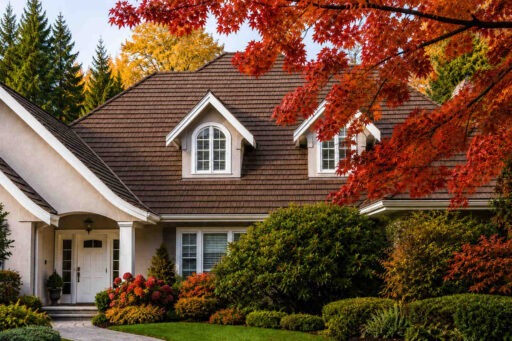

Roof inspection pricing in Vancouver depends on the type of inspection and the property. As a general planning benchmark, a current Canadian consumer cost guide lists approximately CAD $180–$400 for residential roof inspections in Vancouver. Steep roofs, difficult access, complex rooflines, larger properties, or more detailed documentation can increase the scope and cost.
This is a third-party market range, not a fixed Marks Roofing price. The company also offers a free on-site roof inspection when preparing a roofing project estimate, which differs from a standalone condition assessment.
| Factor | How It Affects the Inspection |
|---|---|
| Roof size | Larger roof areas take more time to assess |
| Slope and building height | Steep or multi-storey roofs may require more access and safety planning |
| Roofline complexity | Valleys, dormers, additions, and multiple elevations add inspection points |
| Roofing system | Asphalt, cedar, metal, and flat roofs have different condition indicators |
| Documentation | Photos, written findings, or a larger assessment may require additional time |
For comparison, see the current Canadian roof inspection cost guide used for the general Vancouver pricing benchmark above.
What Affects Roof Inspection Cost?
Roof size, complexity, access, and the purpose of the inspection are the main factors that affect roof inspection cost. As a result, two homes of similar size can require very different inspection scopes.
A simple gable roof has fewer areas to review than a roof with intersecting slopes, dormers, valleys, skylights, chimneys, or additions. Roof material matters as well because an asphalt shingle roof is assessed differently from cedar, metal, or a low-slope membrane system.
Height and access also affect the work. Steep slopes, narrow side yards, decks, uneven ground, landscaping, and neighbouring structures may limit safe roof access. WorkSafeBC identifies roofs and ladders as fall hazards and requires appropriate measures to control work-at-height risks. Its falls-from-elevation guidance explains why access conditions matter when roof work is planned.
Finally, the reason for the inspection changes the scope. A visit to prepare a repair or replacement estimate is not necessarily the same service as a standalone roof condition assessment or a larger commercial or strata inspection.
What Is Included in a Professional Roof Inspection?
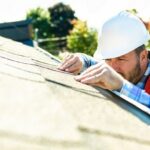
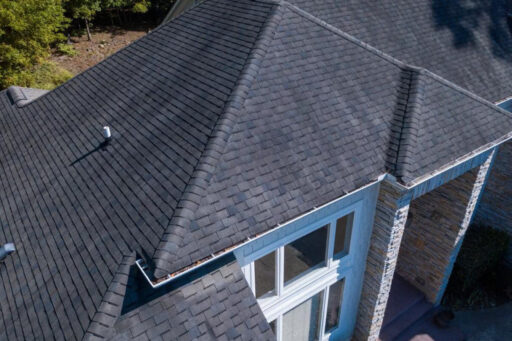
A professional roof inspection checks the visible roofing system, critical roof details, and drainage conditions for signs of deterioration or damage. The exact inspection points depend on the roofing material, design, and areas that can be accessed safely.
A contractor may review:
- Asphalt shingles, cedar shakes, metal roofing, or flat roof membrane
- Ridges, ridge caps, hips, and valleys
- Flashing around walls, chimneys, skylights, and penetrations
- Roof vents and plumbing penetrations
- Visible seams, fasteners, laps, and sealants
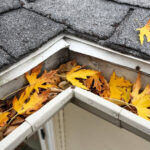
- Gutters, downspouts, and roof-edge drainage
- Visible fascia and soffit conditions
- Moss, debris, displaced materials, and other visible deterioration
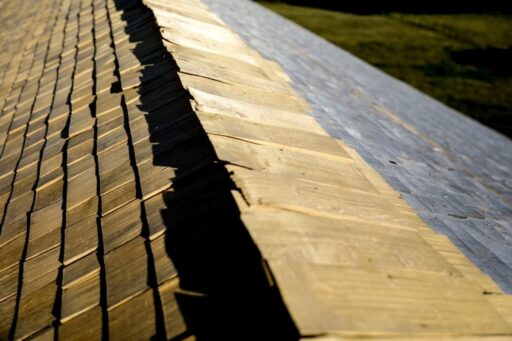
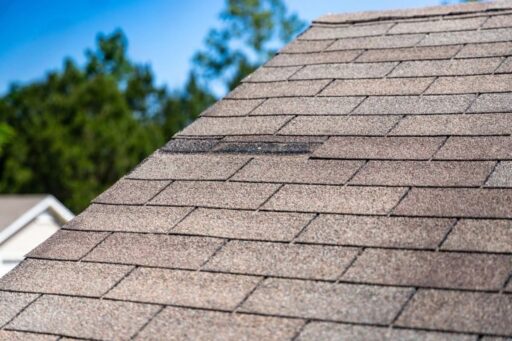
However, the observations change with the roof system. On asphalt roofing, unusual granule loss, curling, cracking, or displaced shingles may deserve attention. With cedar, the contractor may look more closely at splitting, curling, softness, and ridge caps. Flat roof inspections place more emphasis on membrane condition, seams, flashing, penetrations, drains, and areas where water collects.
The Roofing Contractors Association of BC roof maintenance guidance similarly recommends identifying the roofing system before conducting a rooftop inspection and documenting conditions such as debris, poor drainage, ponding, penetrations, flashing, and previous problem areas.
What Can a Roof Inspection Not Confirm?
A standard visual roof inspection cannot confirm every condition hidden inside the roof assembly. Roofing materials cover the underlayment and most of the roof deck, so an inspector may identify evidence that justifies further investigation without being able to see the concealed layer itself.
Accessible attic areas may provide more information about the underside of the roof deck, ventilation, staining, or other visible conditions. Still, attic access varies, and a non-invasive inspection cannot verify every part of the assembly.
Likewise, visible sagging or movement may warrant a closer assessment, but a roofing contractor’s inspection is not the same as a structural engineering evaluation. Thermal imaging, destructive testing, moisture surveys, or engineering reports should only be expected when they are specifically included in the inspection scope.
If the roof deck becomes relevant during replacement planning, roof decking and sheathing conditions may not be fully visible until the existing roofing materials are removed.
Roof Inspection vs. Roofing Estimate
A roof inspection assesses condition, while a roofing estimate defines the scope and price of proposed work. In practice, the two can overlap when a contractor inspects a roof before preparing a repair or replacement quote.
During an estimate-related inspection, the contractor is primarily determining what work appears necessary, which roofing materials or details are involved, and how access or roof configuration affects the project. A standalone condition assessment may involve a different level of documentation depending on what the property owner requires.
That distinction also explains why inspection pricing varies. Marks Roofing currently offers a free on-site estimation and roof inspection when preparing a detailed estimate for a roofing project. This should not be treated as a universal price for every type of standalone inspection or assessment.
When Is a Roof Inspection Worth Having?
A roof inspection is useful when the condition of the roofing system is unclear or when visible changes need professional assessment. An inspection does not automatically mean that repair or replacement will be necessary.
Common reasons to have a roof checked include:
- Missing, displaced, cracked, or curled roofing materials
- Changes around flashing, valleys, skylights, or other penetrations
- Heavy moss or debris that obscures parts of the roof surface
- Changes in drainage or gutter performance
- Significant wind or weather exposure
- An older roof with an uncertain maintenance history
- Planning roofing work and needing the condition confirmed first
In Greater Vancouver, repeated rain, shaded roof slopes, tree debris, coastal moisture, and wind exposure can all affect roof conditions. However, climate alone does not determine whether a roof needs work. Roofing material, installation, drainage, ventilation, exposure, and the extent of visible deterioration must be considered together.
Roof Inspection Cost FAQ
How much does a roof inspection cost in Vancouver?
A current Canadian consumer pricing guide lists approximately CAD $180–$400 as a general range for residential roof inspections in Vancouver. The actual price can vary with roof size, slope, access, complexity, and the type of assessment required. This range is a third-party benchmark, not a Marks Roofing rate.
How long does a roof inspection take?
There is no standard inspection time for every roof. A simple accessible residential roof generally requires less time than a steep or multi-level property with several roof sections, valleys, penetrations, or different roofing systems. Detailed documentation can also add time.
Does the roofing material affect the inspection?
Yes. Asphalt shingles, cedar shakes, metal roofing, and flat roof membranes develop different condition indicators. The inspector should assess details that are relevant to the specific roofing system rather than applying one checklist to every roof.
Does a roof inspection include a written report?
Not necessarily. The level of documentation depends on the service being requested. Some inspections may support a roofing estimate, while other assessments may include photographs or written findings. Property owners should confirm what documentation is included before booking a standalone inspection.
Do commercial or strata roof inspections cost more?
They can. Larger roof areas, multiple buildings, flat roofing systems, rooftop equipment, drainage components, access requirements, and additional documentation can expand the inspection scope. Therefore, commercial and strata properties are better assessed individually than priced from a standard residential range.
Request a Roof Inspection
The right next step depends on what the inspection finds. A localized condition may call for maintenance or repair, while broader deterioration may justify a more detailed replacement assessment. If the condition cannot be confirmed visually, further investigation may be necessary before deciding on the work.
Marks Roofing provides roof inspection and on-site roofing estimates in Greater Vancouver for residential and commercial roofing projects.