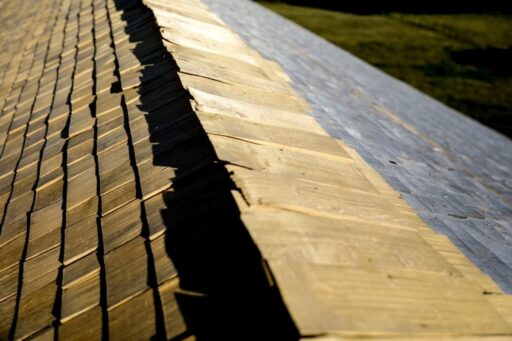

Coquitlam cedar shake danger starts when an older cedar roof curls, splits, holds moss, or exposes the roof deck. The roof may still look natural from the street. Underneath, aging wood, hidden moisture, fire-safety concerns, insurance questions, and fall rain pressure can already create risk. Not every cedar roof needs immediate replacement. Some roofs still qualify for repair. But older single-family homes in Coquitlam often deal with cedar that dries out, loosens, absorbs moisture, and traps debris under trees.
The real question is simple. Can this roof still be repaired, or does it need tear-off, roof deck inspection, and conversion before fall rain returns?
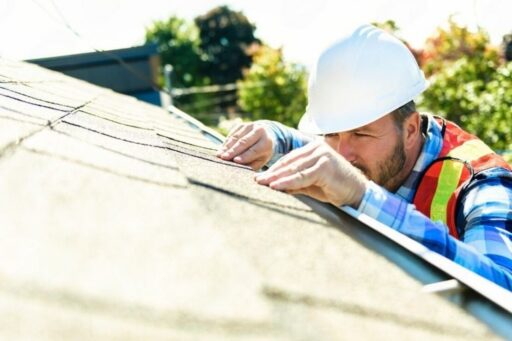
Summer is the practical window for that decision. Dry cedar makes inspection easier. Our crew can spot loose, cracked, curled, or lifted shakes more clearly. This is also why the best time to install a roof often comes down to dry weather, access, and preparation before wet-season pressure returns.
Reason 1: Fire Safety and Class A-Rated Roofing Systems
Older cedar shake roofs can raise fire-safety concerns when the wood becomes dry, aged, damaged, or covered by heavy tree debris. This does not make every cedar roof unsafe. It means the roof material, condition, exposure, and maintenance history need a closer look.
In wooded or hillside parts of Coquitlam, fire exposure involves more than the roof surface. Burke Mountain homes may face tree debris, steep roof planes, difficult access, and ember exposure context during hotter, drier summer periods.
A dry, deteriorated cedar roof with moss, loose shakes, and debris trapped in gaps carries a different risk profile than a well-maintained roof in better condition.
Architectural asphalt shingles can support a more fire-resistant roof upgrade compared with aging untreated or deteriorated cedar shakes. The important boundary is clear: Class A-rated systems depend on products and installation that meet the required assembly specifications. Not every asphalt shingle roof automatically qualifies.
What matters during conversion is the full roof assembly. That includes tear-off, deck preparation, underlayment, flashing, ventilation details, ridge caps, hip caps, and product-specific installation. Fire resistance does not come from a label alone. The whole system has to match the required assembly.
Reason 2: Insurance Pressure Around Older Cedar Roofs
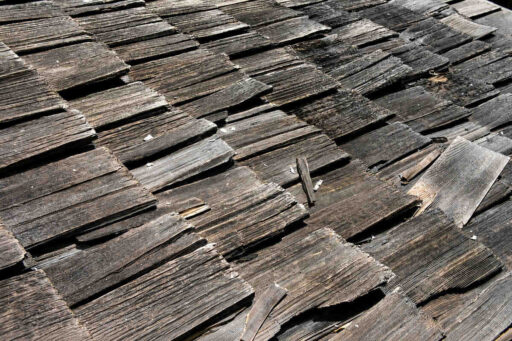
Older cedar roofs may raise insurance questions because insurers often review age, condition, material type, maintenance history, and replacement plans. A new roof system may reduce underwriting concerns. Homeowners still need to confirm the details with their own insurer.
The issue does not always involve refusal. Sometimes the pressure is more practical. An insurer may ask when the cedar roof was installed. They may also ask about moss, leaks, repairs, maintenance records, or future replacement plans.
This is where roof documentation matters. After a cedar-to-asphalt conversion, photos, invoices, product details, and inspection notes can show what changed. Those records can also help during renewal, resale, or future roof reviews.
Still, the wording needs restraint. Replacing cedar shakes does not automatically mean instant premium savings. It may improve insurance acceptance or reduce underwriting concerns. That is especially true when the old roof looked deteriorated, moss-covered, leaking, or hard to assess.
Reason 3: Weathering Coquitlam’s Microclimates
Coquitlam cedar roofs age differently because each neighbourhood creates different roof exposure. Shade, elevation, tree cover, wet winters, summer heat, and roof slope all affect how cedar dries, moves, cracks, and holds moss. Coquitlam’s Climate Adaptation Strategic Plan also supports this local weather logic: the city identifies warmer, drier summers, wetter cool-season conditions, and more intense storm events as part of its climate planning.
- In Harbour Chines, tree cover and shade can keep roof planes damp longer. Slow drying encourages moss, lichen, cedar debris buildup, and moisture between shakes. Small moss patches may look minor, but repeated moss growth can lift edges, trap water, and hide soft wood. If moss keeps returning, this guide on how to remove moss from roof surfaces can help explain why cleaning alone may not solve the underlying roof issue.
- In Westwood Plateau, open sun creates a different pattern. Summer UV and heat can dry out cedar. That can leave shakes brittle, curled, cupped, or split. A sun-facing slope may look cleaner than a shaded slope, but the wood can still lose stability.
- Burke Mountain adds tree debris, hillside exposure, steeper access, and roof areas that can be harder to inspect safely from the ground. In those cases, a few loose shakes may point to wider movement across the roof.
- Austin Heights often brings older housing stock into the discussion. Some cedar roofs have already gone through years of moss cleaning, spot repair, and patchwork. At that stage, another repair may not solve the roof system problem.
Summer helps reveal these differences. Dry weather makes lifted edges, brittle shakes, cracked courses, and damaged valleys easier to see. It also gives crews time to act before fall rain turns weak areas into active leaks.
Reason 4: Lower Maintenance vs. Cedar Shake Upkeep
Architectural asphalt shingles can reduce maintenance compared with aging cedar, but they are not maintenance-free. The real advantage is a more predictable roof surface. Homeowners also avoid many wood-specific issues that come with old cedar shakes.
Cedar upkeep can become expensive when the same problems return. Moss grows back. Shakes loosen again. Split sections spread. Debris collects under tree cover. Valleys hold wet organic material. Gutters fill with cedar fragments, needles, and roof debris.
The whole roof does not always fail at once. A shaded back slope may fail first. A valley below trees may hold moisture. A sun-facing section may turn brittle. Edges near rotted fascia may open leak paths.
Architectural shingles offer a cleaner conversion path for many Coquitlam homes. They do not absorb moisture the way old cedar shakes do. Algae-resistant shingles can help reduce staining, but shade, debris, drainage, and tree cover still matter.
The practical decision comes down to pattern and scope. If cedar damage stays limited, repair may still make sense. If moss removal, shake replacement, leak repairs, and insurance questions keep coming back, conversion may offer a more stable path.
Reason 5: Resale Confidence and Modern Curb Appeal
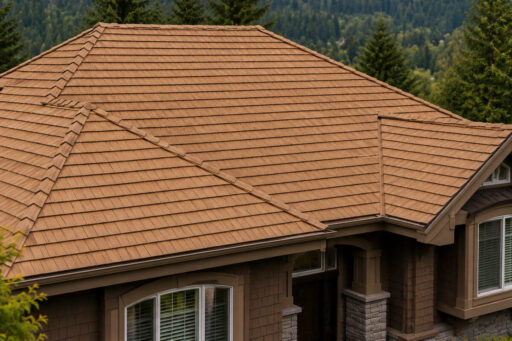
A cedar-to-asphalt conversion may improve buyer confidence because it removes a visible maintenance concern. It should not promise guaranteed resale value. A newer, well-documented roof system simply makes the home easier to assess.
Older cedar roofs can create hesitation during showings, inspections, and insurance reviews. Buyers may not know whether the roof needs minor repair, full replacement, deck work, or urgent leak correction.
Visible moss, curling, staining, or missing shakes can affect the conversation before anyone confirms the roof condition. The roof can become a negotiation point because buyers see uncertainty.
Architectural asphalt shingles can give the home a more current look. They also make the roof system easier to understand. For many single-family homes, that matters. The roof looks cleaner, the material feels familiar, and the upgrade has documentation behind it.
The curb appeal benefit depends on proper conversion. A cosmetic-looking installation over unresolved deck, flashing, or ventilation problems does not solve the real concern. The roof needs system-level assessment, not just a new surface.
How Marks Roofing Manages the Conversion Process
Cedar shake replacement is not a simple shingle swap. When an old cedar roof has widespread curling, splitting, moss, loose shakes, or deck concerns, the work often moves beyond spot repair. A proper cedar roof conversion starts with old shake removal, roof deck inspection, and suitable base preparation for the new roof system.
The first step is tear-off. Old cedar has to come off so our crew can see the roof deck. That is when hidden problems usually become clear. Soft sheathing, stained plywood, old leak paths, damaged valleys, failed flashing, and patched roof areas often show up after removal.
Our crew also checks for skip sheathing or solid decking. Some older cedar roofs were built differently from roofs prepared for asphalt shingles. If the base does not suit the new system, the roof may need sheathing repair or decking preparation first.
Flashing details matter at the same time. Valleys, walls, chimneys, vents, hips, ridges, and penetrations all need review. A new shingle surface will not fix failed flashing underneath or beside it.
Ventilation also belongs in the conversion review. Soffit intake, ridge ventilation, attic airflow, and roof exhaust details can affect moisture movement and roof performance. Weak ventilation can keep heat and moisture stress in the system after replacement.
Once the deck is sound, the roof can move forward. The crew can install suitable underlayment, ice and water protection where needed, flashing corrections, and architectural asphalt shingles as one complete system. That separates a real conversion from a quick surface change.
Conclusion & Call to Action
Coquitlam cedar shake danger becomes serious when aging wood, moss, curling, splitting, loose shakes, fire-safety concerns, insurance questions, or roof deck uncertainty make repair less reliable. Some cedar roofs can still be repaired. Others need tear-off, deck inspection, sheathing repair, ventilation correction, flashing updates, and conversion to architectural asphalt shingles.
Summer is the practical time to make that decision before fall rain returns. Dry weather helps crews inspect the cedar, remove old shakes, assess the roof deck, and correct weak details before wet-season pressure builds. Book a Coquitlam cedar shake roof inspection with Marks Roofing before fall rain returns. Ask our team to assess your cedar shakes, roof deck, flashing, underlayment, ventilation, and architectural shingle conversion options while the weather is dry.