
Vancouver wildlife control becomes essential when you realize that over 20% of residential roof damage claims in wooded areas involve wildlife intrusion. Raccoons, squirrels, birds, and rodents don’t just create noise disturbances that disrupt your sleep. Without doubt, these animals pose serious threats to your roof’s integrity and longevity.
The good news? You can protect your home from costly wildlife damage.
This guide walks you through identifying common Vancouver wildlife threats, spotting early damage signs, and implementing proven prevention strategies. Additionally, you’ll learn exactly when to call professional Vancouver wildlife control services for safe removal and long-term solutions. Let’s secure your roof against unwanted visitors.
Common Wildlife That Damage Vancouver Roofs
Four wildlife species repeatedly target Vancouver roofs, each exploiting different structural vulnerabilities with varying degrees of destruction.
Raccoons and Roof Access Points
Raccoons possess exceptional strength and dexterous paws that allow them to tear through roofing materials systematically. They pry open roof vents made of thin plastic or lightweight metal to access warm attic spaces. Their sharp claws rip away shingles along roof edges and ridgelines, particularly targeting asphalt varieties that tear easily.
Female raccoons prove especially destructive when seeking denning sites. They damage soffits by pushing up aluminum panels with their backs, displace flashing around chimneys to create water entry points, and chew through rotten fascia boards. Raccoons climb downspouts, trees, and even TV antennas to reach roofs, then exploit any weakness they detect. Once inside, they contaminate insulation with droppings and urine while creating multiple entry holes as their population grows.

Squirrels and Attic Entry
Squirrels need only a gap of 1.5 inches to gain attic access. They chew through plastic or aluminum roof vents, gable vents, and soffit corners with their constantly growing teeth. Construction gaps where dormers meet rooflines become prime entry points, as do spaces behind sagging gutters. According to Vancouver Wildlife, squirrels frequently damage insulation and wiring when entering attics, creating serious fire and contamination hazards.
These rodents gnaw through shingles, soffits, and joists, weakening your home’s structure. Inside attics, squirrels tear apart insulation for nesting material, chew electrical wiring that creates fire hazards, and damage ductwork. Their droppings contaminate insulation while stored food caches decay, reducing energy efficiency.
Birds and Nesting Problems
Birds target soffits, roof corners where gutters converge, and gaps between roof tiles and gutters. Their nests block gutters and drains, causing water backup that seeps between roof layers and into vulnerable areas. Nesting materials made of grass, twigs, and moss present serious fire risks near HVAC equipment or inside vents.
Bird droppings contain high concentrations of uric acid that corrodes asphalt shingles, tar paper, and roof tar. This acidic waste accelerates material disintegration while providing nutrients that stimulate moss and algae growth. Starlings commonly nest inside stove pipes and bathroom exhaust vents, while swifts attach nests to chimney interiors, impeding airflow.
Rodents and Small Openings
Rats squeeze through holes the size of a quarter, while mice enter through openings as small as a pencil. They access attics through roof vents, gaps in soffits, and openings around utility lines. Once inside, rodents gnaw electrical wires, plastic pipes, and wooden beams, creating fire hazards and structural damage. Their constant chewing leaves contamination throughout attic spaces.
Signs Your Roof Has Wildlife Damage
Detecting wildlife intrusion early prevents minor issues from becoming expensive structural repairs. Your roof provides multiple warning signals when animals have compromised its integrity.

Visible Exterior Damage
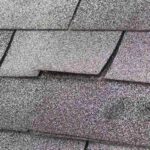
Check your roof edges where shingles meet trim, flashing, or vents for nail marks and bite patterns. Squirrels and raccoons gnaw persistently, leaving splintered wood and distinct scratching patterns. Displaced or missing shingles signal that birds or raccoons have lifted materials to build nests or create entry points. Look for uneven rows or corners that appear peeled back.
Holes measuring 1 to 2 inches typically indicate squirrel activity, while larger openings with bent flashing or torn roof edges suggest raccoon damage. These animals tear through roof decking, shingles, soffit panels, and fascia with surprising ease. Besides structural damage, you might spot nesting debris or droppings at your downspout bases, tucked into gutters, or scattered in attic spaces.
Noises and Movement in Attic
Sound patterns reveal which animals occupy your attic. Light scratching or scurrying at night points to mice or roof rats, since they’re most active after dark. Squirrels create noise throughout the day when moving in and out to store food. Heavy thumping, stomping, or dragging sounds indicate larger animals like raccoons. Chirping signals bird presence, while soft mewing recommends a raccoon litter.
Droppings and Nesting Materials
Animal droppings confirm wildlife presence before you spot the creatures themselves. The unpleasant odour from droppings usually alerts you first. These wastes contain harmful bacteria, Fungi, and parasites that spread disease. Animals bring food bits, urine, body hairs, and nesting materials that render insulation ineffective. The scent attracts additional pests seeking shelter.
Water Leaks from Compromised Areas
Water stains appearing on ceilings or walls signal that animals created entry points allowing moisture infiltration. Whenever animals chew through roofing materials, exposed plywood beneath creates water leak pathways that cause mould and drywall damage.
How to Prevent Wildlife from Accessing Your Roof
Proactive prevention stops wildlife before they compromise your roof structure. These five strategies form a complete defence system when implemented together.
Regular Roof Inspections
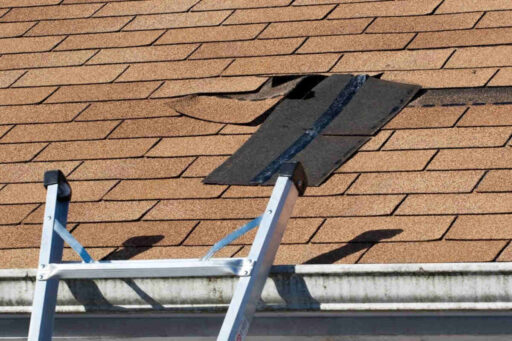
Schedule professional roof inspections twice yearly, specifically during spring and fall. These seasonal checks identify vulnerabilities before extreme weather hits. Inspect again after major storms or hail events that create new entry opportunities. During inspections, examine shingles for damage, check flashing around chimneys and vents, and look for animal droppings or chew marks. Early detection prevents small gaps from becoming major structural problems.
Install Gutter Guards and Vent Covers
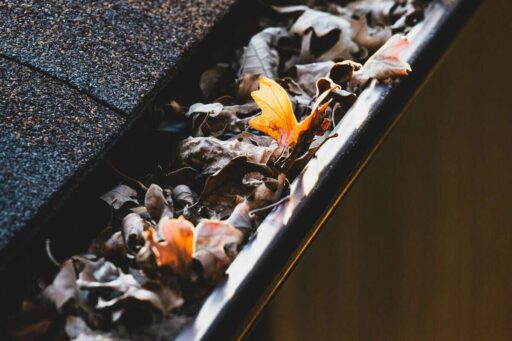
Gutter guards prevent debris buildup that attracts nesting animals while maintaining proper drainage. Clean gutters twice yearly, particularly before winter, to remove nesting materials and standing water that breeds mosquitoes. Install steel mesh vent covers over all roof vents since animals easily chew through plastic or thin aluminum. Use 18-gage expanded metal mesh or 16-gage wire mesh that wildlife cannot penetrate. Add chimney caps with mesh siding to block raccoons and birds while allowing smoke to escape safely.
Trim Trees and Remove Climbing Access
Cut back branches at least two meters from your roof to eliminate wildlife pathways. Some experts recommend maintaining 6 to 10 feet of clearance. Install squirrel guards made of sheet metal around tree trunks, placing them 1.5 to 2 meters up the trunk. Wrap protective collars around downspouts since raccoons climb these easily. Remove climbing vines from exterior walls, as these provide superhighways for mice and squirrels despite their decorative appeal.
Seal Entry Points and Gaps
Use steel wool or wire mesh for larger openings around pipes and vents since rodents cannot chew through metal. Apply weatherproof silicone sealant to small cracks, as it remains flexible through temperature changes without cracking. Install metal flashing around roof corners and edges where raccoons typically climb. Mice squeeze through openings as small as a quarter-inch, so seal even tiny gaps.
Maintain Proper Attic Ventilation
Proper airflow prevents moisture buildup that attracts pests seeking damp environments. Correspondingly, good ventilation regulates temperature, reduces condensation, and prevents mould growth that invites rodents. Ensure attic vents remain clear of insulation blockages while maintaining adequate air circulation throughout the space.
When to Call Vancouver Wildlife Control Professionals
Professional intervention becomes necessary when wildlife damage exceeds basic repair capabilities or poses safety risks.
- Identifying Extensive Damage
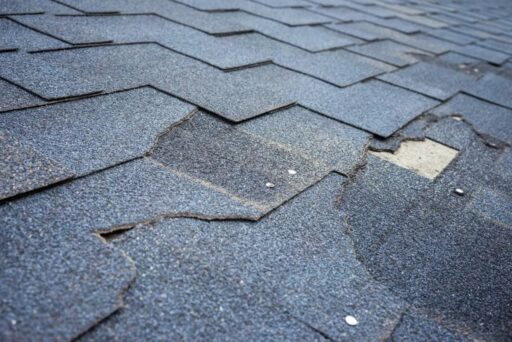
Contact Vancouver wildlife control when you notice multiple entry holes, torn shingles across large roof sections, or damaged flashing around chimneys and vents. Water stains on ceilings indicate animals created pathways for moisture infiltration. Scratching sounds at dawn or dusk, foul odours from attic spaces, and shredded insulation signal active infestations requiring immediate assessment. - Safe Animal Removal Services
Removing wildlife yourself poses injury risks from bites, scratches, and falls from ladders. Wildlife control professionals use humane one-way doors that allow animals to exit but prevent re-entry. They follow provincial and federal wildlife regulations, ensuring legal compliance while protecting mother animals with young. Trapping and relocation occur only where permitted by law. - Roof Repair After Wildlife Intrusion
Before repairs begin, professionals ensure complete animal removal to avoid trapping creatures inside. Roofing contractors replace damaged shingles, repair compromised decking, and restore roof joints using commercial-grade materials. Sanitization removes contaminated insulation containing bacteria and parasites that spread disease. - Long-Term Prevention Solutions
Professionals install heavy-duty vent covers with reinforced screening, apply metal flashing around vulnerable entry points, and seal gaps with materials wildlife cannot penetrate. They identify all potential access points during inspection, providing warranties that guarantee animals won’t return through their work.
Conclusion
You now have everything you need to protect your roof from Vancouver wildlife damage. As a matter of fact, implementing regular inspections, sealing entry points, and trimming tree branches can prevent thousands of dollars in repair costs. Keep monitoring your roof for early warning signs and address vulnerabilities immediately. If damage appears extensive or animals persist, don’t hesitate to contact professional Vancouver wildlife control services. Your proactive efforts today will safeguard your home’s structural integrity for years to come.