
Have you noticed a sagging roof or curling shingles on your home of late?
Curling shingles create gaps that allow water to seep beneath them. A sagging roof line signals potential structural problems. If you ignore these warning signs, you risk water damage and repairs that get pricey down the road. Asphalt shingles last around 20 to 30 years, but age isn’t the only culprit. Spotting signs of shingle problems helps you take action before small issues turn into emergencies.
This piece will show you how to spot curling shingles and sagging roof problems from the ground, the right time to call a professional, and what sagging roof repair options are available to protect your home.
Curling Shingles and Sagging Roof Problems
What Causes Shingles to Curl
Shingle curling shows up in two distinct forms. Cupping occurs when shingle edges curl upward, while clawing happens when the centre rises as edges stay flat. Poor attic ventilation ranks among the leading causes and traps heat and moisture beneath the roof deck. This trapped air presses against the underside of shingles and breaks down the adhesive. Warping occurs over time.
New shingles installed over existing layers often trigger premature curling. The second layer fails to line up properly with the first and prevents adequate adhesion. This makes shingles vulnerable to wind damage. Improper installation creates problems when nails are placed incorrectly or used in insufficient quantities. Shingles require precise nailing patterns to stay secure. Any deviation leaves them prone to loosening and curling.
Temperature fluctuations accelerate asphalt shrinkage and make shingles brittle. Moisture intrusion beneath shingles shifts the roof decking, while defective materials from manufacturing flaws can cause curling years after installation. Lower-grade shingles absorb more moisture and suffer greater damage from UV exposure and weather swings.

What Causes a Roof to Sag
Water damage stands as the main cause behind sagging roofs. Moisture seeps through damaged shingles, clogged gutters, or faulty flashing and rots the wood decking and rafters. This deterioration strips away structural integrity and causes visible dips in the roof line.
Excessive weight from accumulated snow, ice, or debris can overwhelm your roof’s load-bearing capacity. Undersized structural materials compound this problem. The difference between properly sized rafters and inadequate ones can be as small as two inches. Rafters made from 2x4s instead of 2x6s mean insufficient support. Sagging occurs as the structure bears weight over time.
Structural components like rafters, ceiling joists, and ridge boards weaken due to age, poor maintenance, or faulty installation. Inadequate attic ventilation accelerates this breakdown by trapping excess heat and moisture. Construction errors such as improper rafter spacing or substandard materials create vulnerabilities that surface years later.
Why Early Detection Matters
You can prevent minor issues from escalating into major structural damage when you spot roof problems early. Small troubles snowball when left unnoticed and risk major harm to your home’s framework. Timely detection translates to minor, affordable repairs, while delays mean hefty costs or complete roof replacement.
An impaired roof exposes your home to leaks, mould growth, and pest infiltration. Water intrusion from curled shingles soaks the wood decking beneath and leads to rot and eventual leaks into living spaces. A well-maintained roof provides superior insulation and reduces heating and cooling expenses. Addressing sagging roof repair needs promptly protects your family’s safety and prevents the risk of partial or complete collapse.
Visual Signs of Curling Shingles from the Ground
- Lifted or Buckled Shingle Edges
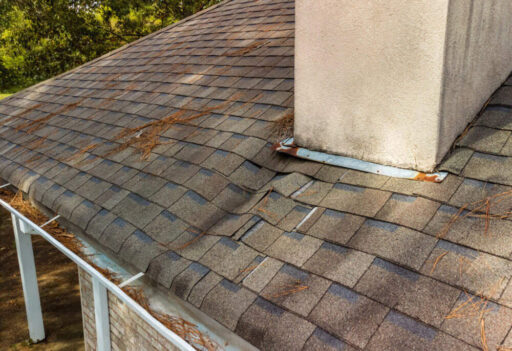
Shingles that no longer lie flat create visible gaps between the roof surface and shingle tabs. Stand back from your home and scan the roof line for edges that lift upward or corners that rise. Shadow lines underneath shingle tabs indicate separation from the deck. You may notice a flapping appearance where lifted sections catch air currents during windy weather. Wind-driven rain can slip beneath the protective barrier through these raised spots and increase leak risk with each storm. - Missing Granules and Bald Spots
Granules protect asphalt shingles from UV radiation and weather damage. Check your gutters and downspouts for sand-like debris that collects after rain. Bald spots appear as darker, smoother patches where the black asphalt layer shows through. These exposed areas heat up faster and become prone to cracking. Uneven shingle colour signals granule wear in specific zones. Your shingles no longer provide adequate protection when granule loss is widespread rather than isolated. - Discolouration and Dark Streaks
Black streaks or dark stains on your roof surface point to algae growth, especially Gloeocapsa magma, which feeds on limestone fillers in asphalt shingles. This discolouration appears most often on north-facing or shaded slopes with limited sun exposure. Because Vancouver’s damp, rainy climate encourages persistent moisture on roofs, algae holds against shingles longer than in drier regions, accelerating deterioration. Dark patches may also indicate moisture retention or other biological growth that shortens roof lifespan. Regular roof maintenance in Vancouver helps protect your shingles from these climate-driven issues. - Wavy or Uneven Roof Appearance
Shingles should create a smooth, uniform surface across your roof. Rippling or buckling instead of flat alignment signals problems with the structure beneath. Look for wave-like patterns where shingles rise and dip, or buckled rows that appear lifted. Uneven lines that interrupt the roof’s appearance often develop near ridges, valleys, or eaves. Some shingles lie flat while others look raised when damage creates a patchy roof.
How to Identify a Sagging Roof Line
Check the Roof Ridge for Dips
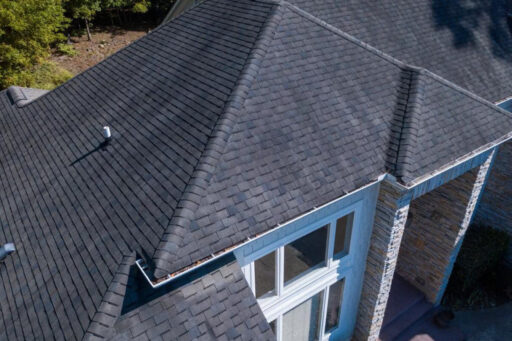
The roof ridge should appear straight when you view it from any angle. You should walk around your property and observe the highest point where two roof slopes meet. A dip that develops along the ridge signals rot or failing rafters and trusses beneath. Even a slight curve downward is a sign that framing components experience structural stress under long-term pressure. Photos from the ground help you notice gradual changes when you compare them over time. Small dips can signal serious structural concerns that require attention right away.
Look for Uneven Roof Planes
A healthy roof creates an even line across its span. Observe roof surfaces for portions that appear lower than surrounding areas. Wavy patterns or misaligned shingles often accompany structural movement. Check for sagging valleys where roof sections meet, as these dip when structural supports weaken. Uneven or crooked surfaces viewed from a distance suggest potential damage in your roofing system.
Inspect from Multiple Angles
You need to walk around your home to view the roof line from different points of view. Various distances reveal inconsistencies not visible from a single vantage point. Observe after major storms or seasonal changes to spot issues before they worsen. Look beneath the roofline for water stains, peeling paint, or soft spots that indicate moisture intrusion. Your driveway, sidewalk and backyard provide a complete picture of the roof’s condition.
Get into Interior Ceilings for Sagging
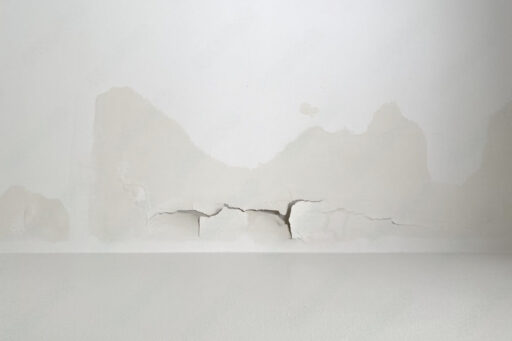
Ceilings may appear uneven or bowed when roof sagging begins. Cracks that form at the tops of interior walls where they meet the ceiling are a sign of structural movement. Cracks wider than 3 millimetres signal structural damage that requires professional attention. Doors that become difficult to close suggest the shifting structure affects door frames. Water stains or leaks that appear on ceilings point to compromised roofing materials above. These interior signs confirm that sagging has progressed beyond isolated areas and now affects the whole structure.
When to Call a Professional and Sagging Roof Repair Options
Contact a roofing professional when your sagging roof line dips more than 1/4 inch per 10 feet. Contractors can reseal edges with roofing cement or replace individual shingles if curling shingles affect small areas. Patch repairs become ineffective when widespread curling affects large roof sections and just need complete replacement for long-term cost savings. Full replacement makes more sense than continued repairs to isolated sections when roofs exceed 20 years old.
Temporary fixes provide stop-gap solutions only. Roofing adhesive can reseal curled edges, roofing tar can nail down lifted shingles, or you can replace single damaged pieces. These measures buy time but never substitute for professional assessment. Sagging roof repair costs escalate with each passing day because of progressive deterioration. Professional inspection becomes necessary for roofs surpassing 30 years due to increased structural vulnerability.
Professional contractors bring specialized expertise to assess damage and recommend solutions that work. They follow safety protocols using proper equipment and prevent accidents during repairs. Quality materials sourced by professionals come with warranties that protect your investment against future defects. Professional roofers diagnose why sagging roofs happen and address root problems rather than surface symptoms. DIY repairs on sagging roofs create safety hazards and potential for improper structural support.
Conclusion
You now have the knowledge to spot curling shingles and sagging roof problems before they become expensive emergencies. Visual inspections from the ground take minutes but can save you thousands in sagging roof repair costs. Don’t wait until minor issues become structural hazards. Call a professional to get a full picture at the time you notice warning signs. Your roof protects everything beneath it, so keep it in top condition through early detection and timely action.