
One of the first questions we hear from homeowners is simple on the surface and frustrating in practice: “How much is a new roof going to cost me?” Most people want a number they can plan around. What they usually get instead is a wide range that feels vague or evasive.
Here’s the honest answer we give at the kitchen table. There is no single price for a new roof in British Columbia. But there is a predictable way professional contractors calculate it, and once you understand that process, the numbers start to make sense.
Roof costs in BC swing more than in many other places. Climate plays a role. So does geography, access, roof design, and material choice. Two houses that look identical from the street can land in very different price brackets once we actually measure, inspect, and open things up. The goal of this guide is to walk you through how we price roofs in the real world, based on what we see every day working across British Columbia.
Key Factors That Determine the Cost of a New Roof
When we price a roof, we don’t start with materials. We start with how the roof is built, how hard it is to work on, and what condition it’s in once we open it up. These factors shape labour time, risk, and scope long before brand or shingle colour comes into play.
Roof Size and Total Square Footage
Roof size is the starting point for every estimate. It determines how much material we need, how long the crew will be on site, and how much debris has to be removed and disposed of. That said, square footage alone is misleading. We’ve priced smaller roofs that cost more than larger ones because complexity and access added hours of labour. Square footage tells us how much roof there is. It does not tell us how difficult it is to replace.
Disposal fees also scale with size. In many BC municipalities, dumping old roofing material is not cheap, and that cost is baked into legitimate estimates.
Roof Complexity and Design Features
This is where pricing often jumps without homeowners expecting it.
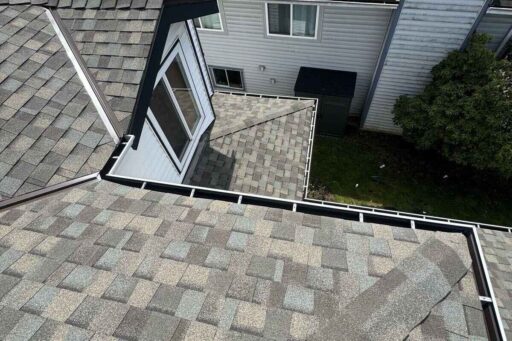
Pitch matters. A steeper roof slows everything down. Steeper slopes also introduce additional safety and labour considerations, which are often misunderstood by homeowners unfamiliar with what roof pitch means. Crews move more carefully, safety systems take longer to set up, and productivity drops. Valleys, hips, dormers, skylights, and chimneys all add detail work that can’t be rushed.
Multi-level roofs are another quiet cost driver. Every level change means more setup, more transitions, and more risk. From an estimating standpoint, complexity adds labour hours far faster than it adds material cost.
This is why two roofs with the same square footage can land thousands of dollars apart.
Roofing Material Type
Material choice sets the baseline cost range, but it does not tell the whole story.
- Asphalt shingles
These remain the most common option in BC. They’re cost-effective, widely available, and work well in many conditions when installed properly. - Metal roofing (including standing seam)
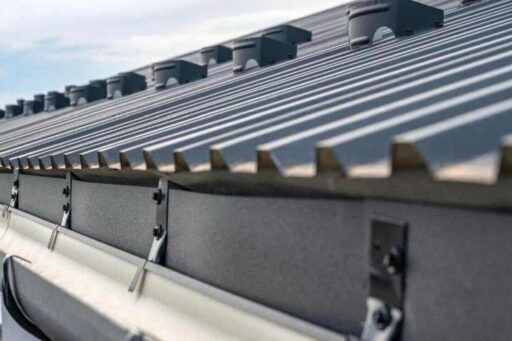
Metal comes with a higher upfront cost, largely due to material price and skilled labour requirements. Standing seam systems sit at the upper end of that range but offer long service life and strong weather resistance. - Cedar roofing
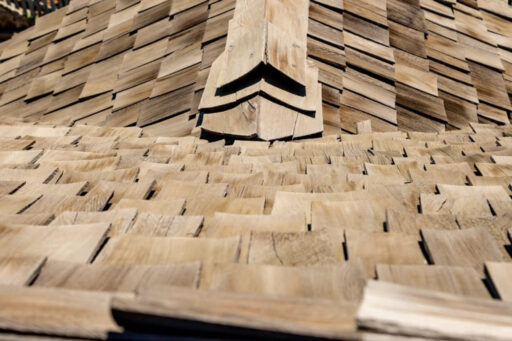
Cedar has deep roots in BC, but it’s labour-intensive and maintenance-heavy. Installation costs are high, and long-term upkeep needs to be part of the decision. - Flat roofing systems
Flat and low-slope roofs follow a different pricing logic entirely. Torch-on, TPO, and EPDM systems depend heavily on surface prep, drainage, and detailing. The material itself is only one piece of the total cost.
What often surprises homeowners is how much installation labour changes the final number. For a detailed breakdown of installation costs by material, including asphalt, metal, cedar, and flat roofs, see our article Average Cost of Roof Installation in Vancouver for a detailed breakdown by material. Labour, tear-off, and execution risk are all included.
Roof Removal and Surface Preparation
This is where estimates change, and it’s also where homeowners get surprised.
Tear-off is not just removal. It’s inspection. Once the old roof comes off, we can see the deck. If the plywood is solid, great. If it’s soft, rotted, or delaminated, it has to be replaced. This discovery often determines whether a project stays within budget or shifts toward a full roof repair vs replacement decision.
Underlayment and flashing are also part of this stage. These components don’t stand out visually, but they do most of the work when it comes to moisture control. In BC’s climate, skipping or downgrading them almost always leads to problems later.
From our experience, this is the most common reason a final invoice differs from an initial estimate.
Labour Costs and Installation Conditions
Labour is a major portion of roof cost, especially on complex or steep projects. Urban areas tend to have higher labour rates. Rural and remote areas can add travel time and logistics. Safety requirements increase with height and slope, and those systems take time to install and remove every day.
Weather also plays a role. Rain delays are common in coastal regions, and cold snaps in the Interior affect installation windows. When crews lose productive hours, costs rise.
In some cases, labour time matters more than material price.
Regional Roof Cost Differences Across British Columbia
Roof pricing in BC isn’t uniform, even for similar homes. Labour markets, climate exposure, access, and permitting all shift from region to region. This is why numbers that make sense in one part of the province don’t always translate to another.
– Greater Vancouver
Greater Vancouver generally sits at the higher end of the pricing spectrum. Labour rates are higher, permit requirements are stricter, and access can be challenging in dense neighbourhoods.
For an average residential asphalt roof, homeowners typically see mid-to-upper pricing ranges compared to the rest of the province. Complex roofs and premium materials push that further.
– Vancouver Island
On Vancouver Island, moisture exposure drives many pricing decisions. Extra attention to underlayment, ventilation, and flashing is standard, not optional.
Logistics also matter. Material availability and labour scheduling can affect cost, especially outside major centres. Roofs here often cost more than homeowners expect based solely on square footage.
– Interior BC (Kelowna, Kamloops, Okanagan)
Interior regions deal with temperature extremes. Hot summers and cold winters influence material choice and installation timing.
Seasonal demand can compress installation windows, which affects scheduling and pricing. Certain materials perform better in these conditions, and that performance is part of the cost conversation.
– Northern British Columbia
Northern BC has a shorter install season and higher snow load requirements. Transportation costs and labour availability also factor in.
While material prices may not be dramatically higher, the conditions around installation often are. Estimates here reflect risk and logistics as much as square footage.
Financial Planning and Payment Considerations
Cost isn’t just about the quote amount. It’s also about timing, cash flow, and how long the roof is expected to last before major work is needed again. We see better outcomes when homeowners look at roof replacement as a long-term expense rather than a short-term purchase.
1. Upfront Payment vs Financing
Financing can make sense when it allows a homeowner to do the job properly instead of deferring or cutting scope. It doesn’t make sense when it stretches the budget for features that don’t add real value.
From our side, clarity matters more than payment method. A well-defined scope prevents surprises regardless of how the project is funded.
2. Long-Term Cost of Ownership
Cheaper roofs often cost more over time. Shorter lifespans, more repairs, and higher maintenance add up.
We’ve seen homeowners replace a low-cost roof twice in the time a higher-quality system would have lasted. Upfront savings disappear quickly when viewed over twenty or thirty years.
3. Rebates, Incentives, and Energy Considerations
Energy improvements tied directly to roofing are limited. Better ventilation and insulation compatibility can improve comfort, but rebates rarely cover a significant portion of roof cost.
Any energy savings should be seen as a secondary benefit, not the main financial justification.

Choosing the Right Roofing Contractor
Who installs the roof affects cost just as much as what gets installed. Pricing accuracy, scope clarity, and how problems are handled mid-project all come back to contractor experience. This is where estimates either stay stable or start changing.
- Verifying licensing, insurance, and experience
Licensing and insurance protect you, not the contractor. Experience shows up in how detailed the estimate is and how clearly the scope is explained. What matters most is whether the contractor prices realistically for your roof, not whether the quote sounds reassuring. - Understanding quotes and avoiding low-bid traps
When one quote is dramatically lower than the others, something is missing. Usually it’s tear-off scope, deck repair allowances, or proper underlayment and flashing. Those costs don’t disappear. They resurface later as change orders or repairs. - Questions to ask before signing a roofing contract
Ask what happens if deck damage is found. Ask what’s included in flashing replacement. Ask how weather delays are handled. A good contractor answers clearly without defensiveness.
For best results, take your time comparing quotes and reviewing contractor experience. Learn more about the key questions to ask a contractor before making a final decision.
Long-Term Benefits of a New Roof
A new roof does more than stop leaks. When it’s designed and installed properly for BC conditions, it reduces ongoing maintenance, stabilizes interior comfort, and removes a major source of uncertainty for years. Those benefits don’t always show up on day one, but they matter over time.
When homeowners ask about the long-term upside of replacing a roof, we usually break it down into three practical areas. None of them are abstract benefits – they’re things you live with every day after the work is done.
- Energy efficiency and comfort improvements
A properly installed roof helps control moisture movement and airflow, which stabilizes indoor temperatures. It won’t dramatically cut utility bills overnight, but it often eliminates drafts, cold spots, and overheating that older or failing roofs contribute to. In older homes especially, that change is noticeable. - Home value and resale impact
A new roof doesn’t always add its full cost back to the sale price, but it removes uncertainty for buyers. Most people don’t want to inherit a roof problem they can’t see. In BC markets, that peace of mind often makes a home easier to sell and reduces price negotiations. - Material longevity and maintenance expectations
Every roofing material ages differently and comes with its own maintenance reality. Asphalt roofs need periodic inspections, metal systems require very little ongoing attention, and cedar demands regular care. Knowing this upfront helps homeowners avoid surprises years down the line.
Roofing Material Comparison Table
Different roofing materials come with very different lifespans and cost profiles. When we help homeowners choose, we look beyond upfront price and talk honestly about how long the system is likely to last in BC conditions and what it will take to maintain it over time.
| Roofing Material | Typical Lifespan | Relative Cost |
|---|---|---|
| Asphalt Shingles | 20–30 years | Low |
| Architectural Shingles | 25–35 years | Medium |
| Metal Roofing | 40–70+ years | High |
| Cedar Roofing | 25–40 years | High |
| Flat Roofing (Torch-on, TPO, EPDM) | 20–35 years | Medium–High |
Roof Cost Drivers That Increase Price the Most
Some factors consistently push roof pricing higher, regardless of material choice. These are the items that add labour hours, increase risk, or expand scope once work begins – and they’re the ones we spend the most time explaining during estimates.
| Cost Driver | Impact on Final Price |
|---|---|
| Steep roof pitch | High |
| Complex design (valleys, dormers) | High |
| Deck damage after tear-off | High |
| Premium materials | Medium–High |
| Safety and access challenges | Medium |
| Weather delays | Medium |
Roof Cost Without Guesswork
Roof pricing feels confusing because it’s not built on a single variable. Size, complexity, material, labour, region, and condition all interact. Once you understand how those pieces fit together, estimates stop feeling arbitrary.
From our experience at Marks Roofing, the best outcomes come from clear scope, realistic budgeting, and honest conversations before work begins. If you’re planning a replacement and want a professional assessment based on your actual roof, not averages, that’s where a detailed on-site estimate makes all the difference.